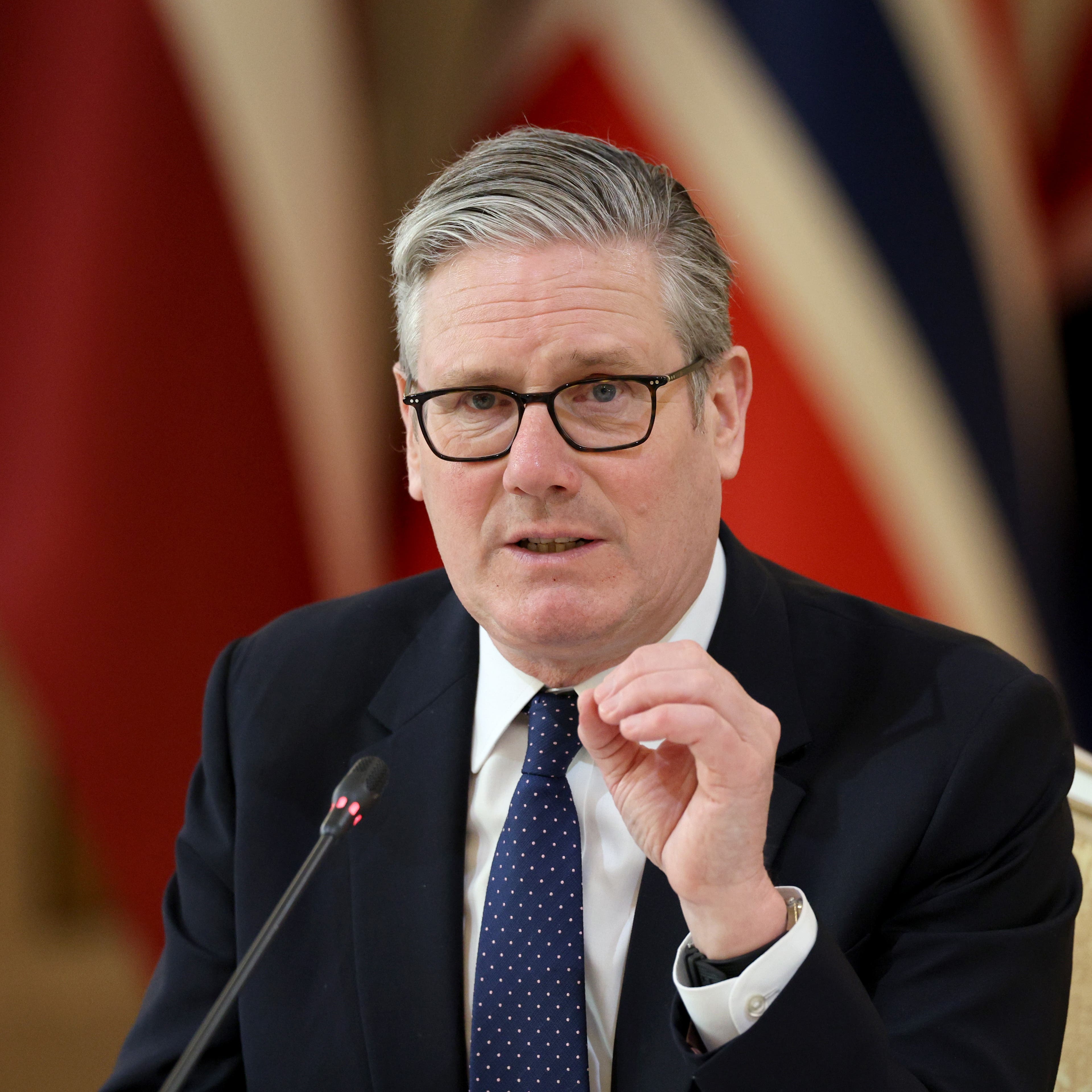
But Parliament’s Joint Committee on the National Security Strategy said the UK should continue to collaborate with the US.
Britain must “move away” from its reliance on the United States for defence and security, MPs and peers have warned amid continued transatlantic tensions.
In a report published on Friday, Parliament’s Joint Committee on the National Security Strategy (JCNSS) said the UK should continue to collaborate with the US “where practical”.
But it warned the Government should prepare for a “worst-case scenario” in which Europe could no longer rely on US support in a crisis.
Instead, the JCNSS said the UK should plan to transition to a more European-led Nato and “move away from a bilateral relationship with the United States that is so dependent on the latter”.
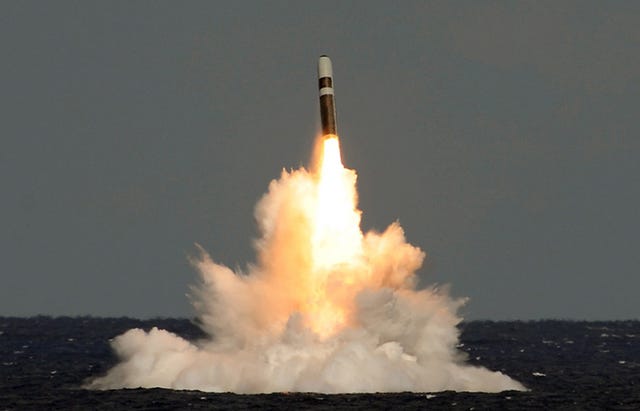
Britain currently relies on US support in several key national security areas, including maintenance of its Trident nuclear missiles, intelligence sharing and major projects such as the F35 fighter jet and Aukus submarine deal with Australia.
But the JCNSS said recent comments by US president Donald Trump had shown “demonstrable areas of tension” in UK-US relations that could “compromise the reliability of these dependencies”.
As well as his wider criticism of the Nato alliance and threats to annex Greenland earlier in the year, Mr Trump has repeatedly criticised the deal to transfer sovereignty of the Chagos Islands to Mauritius and been willing to use tariffs against traditional allies.
JCNSS chairman and Labour MP Matt Western said: “The unpredictability of the US relationship is a growing concern.
“The UK’s deep dependence on the US for security guarantees has a long history, and the partnership will outlast prime ministers and presidents alike.
“But the UK needs a clear plan to move away from some areas of strategic reliance to ensure the UK can pursue its national interest.”
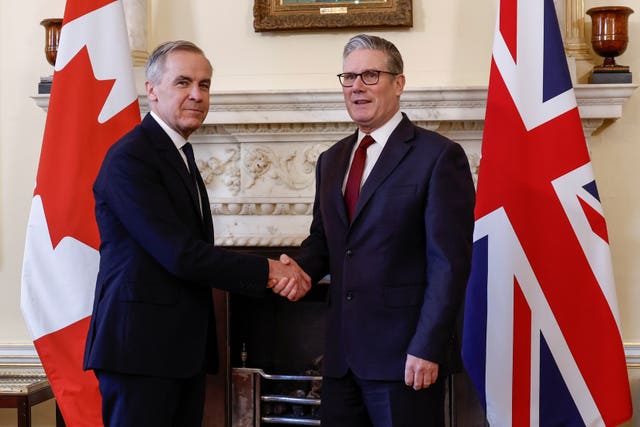
As well as creating a more European-focused Nato, the committee recommended the Government pursue stronger relations with “middle powers” such as Australia, India and Canada.
The recommendation follows a speech by Canadian Prime Minister Mark Carney at Davos in January, in which he called for “middle powers” to work together in the face of “an era of great power rivalry”.
Naomi Smith, chief executive of campaign group Best for Britain, said the JCNSS was “completely right”.
She said: “With a tyrant on Europe’s doorstep, we must urgently move away from a dangerous overreliance on US defence infrastructure and stand shoulder to shoulder with our closest allies and friends.”
A Government spokesperson said: “National security is our first duty. We’ve wasted no time hardening and sharpening our approach to keeping the country safe, delivering the biggest sustained investment in defence since the Cold War.
“All this work is strengthened by our cooperation with allies around the world as leading members of Nato and the Five Eyes.
“On China, our approach is consistent – we will co-operate where we can and challenge where we must. That means tackling the threats posed by China but also pursuing and maximising the opportunities it creates. “