IGD (Institute of Grocery Distribution) said the conflict in the Middle East could result in food inflation more than doubling by the summer.
UK households could face food inflation above 8% within months if disruption caused by the Iran war persists, grocery industry experts have warned.
IGD (Institute of Grocery Distribution) said the conflict in the Middle East could result in food inflation more than doubling by the summer.
Fresh forecasts by the organisation show that food inflation could increase from its current rate of 3.6% to “briefly reach over 8% by June 2026”, if firms are impacted by “most severe but short-lived energy shock scenario”.
The predicted acceleration comes after a sustained period of rising food and drink prices for UK households.
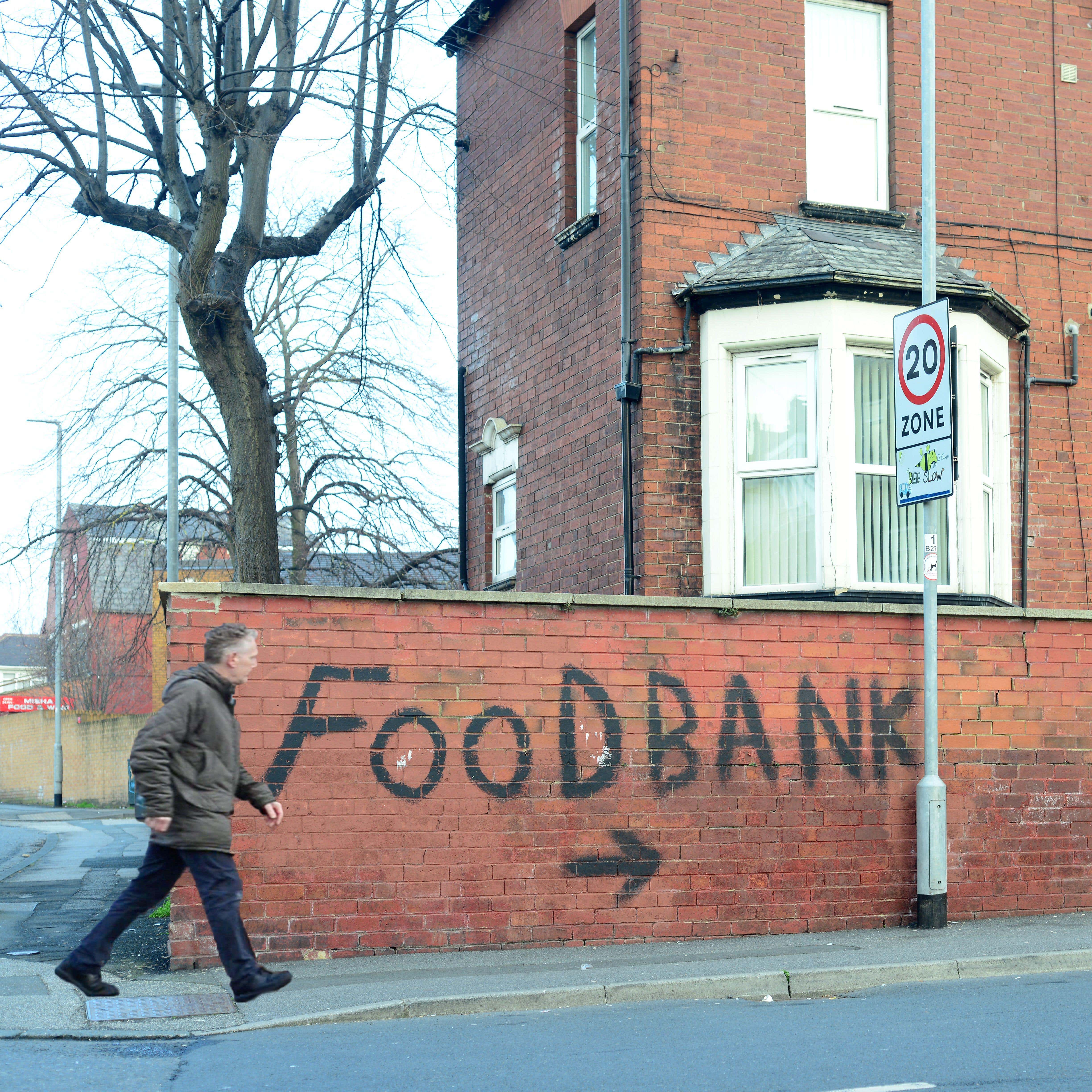
UK retail food prices are now around 38% higher than pre-Covid levels, with the energy price surges following the Russian invasion of Ukraine particularly contributing to rises over the period.
IGD said its highest impact scenario would see a “short-lived but severe” increase in food prices, with inflation rising to around 6.4% across 2026 as a result.
This would add more than £150 to the average household’s annual grocery bill and add further pressure on family budgets already preparing for a jump in energy bills this summer.
Food production is energy intensive and therefore particularly exposed to sudden changes in oil and gas prices, as has been witnessed in recent weeks.
The latest modelling shows that a middle scenario with a “more moderate” energy shock would still lift average food inflation to around 4.8% for 2026.
A baseline scenario with no Middle East conflict would still see food inflation averaging 3.8% for the year.
James Walton, chief economist at IGD, said: “Even in the best case scenario, the conflict in the Middle East is likely to prolong the timeline for recovery from the cost-of-living crisis.
“Persistently high food prices continue to fuel concern over excess profits, based on the assumption that higher prices must mean higher profits for food businesses.
“Our analysis shows that the evidence points in the opposite direction: margins for basic food and drink remain exceptionally thin, and in many cases have fallen in recent years.
“When margins are this tight, businesses have limited capacity to absorb global shocks, invest in resilience or protect supply.
“Over time, that increases the risk of weaker availability and greater price volatility.”