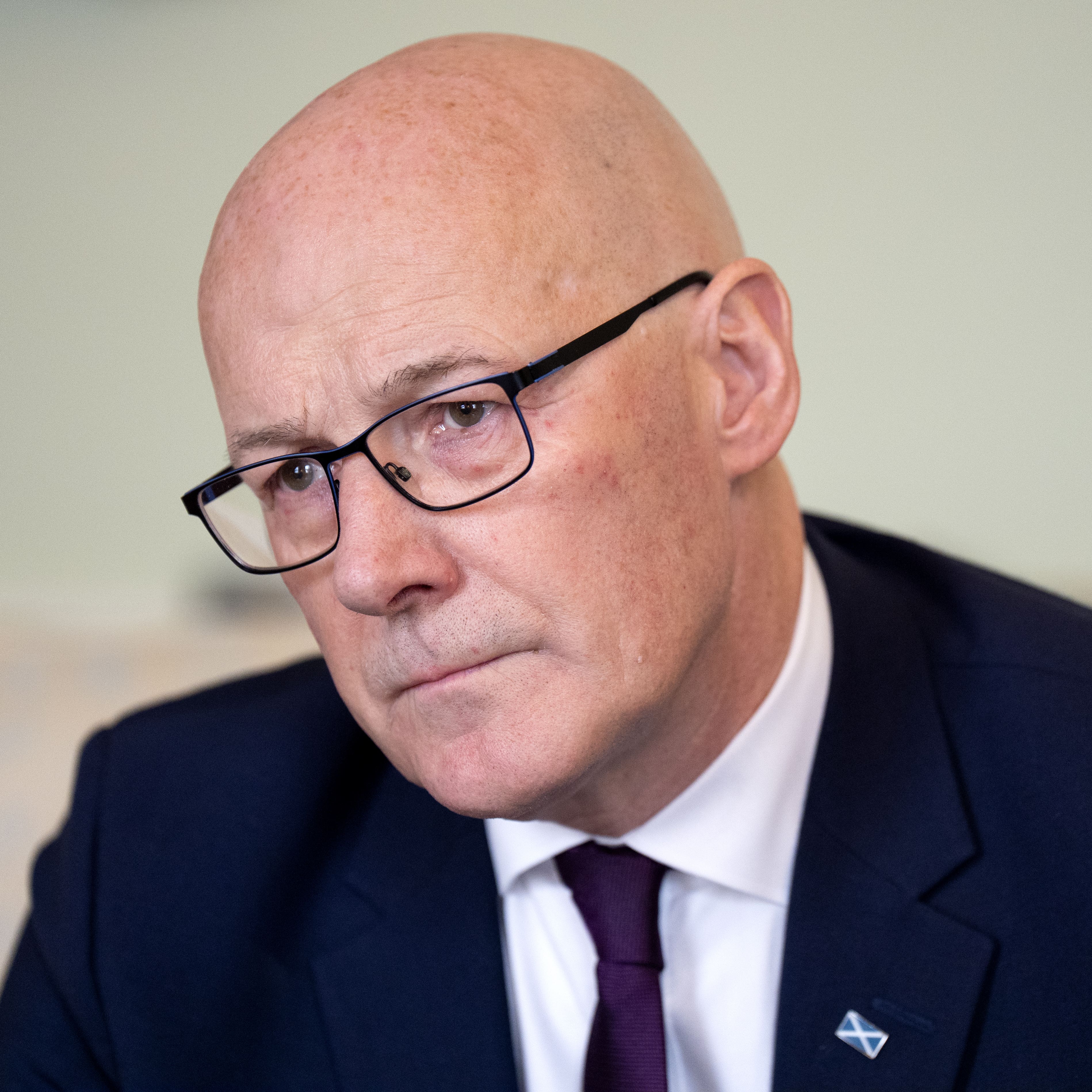
The Prime Minister appeared to push back against accusations of backsliding on the uplift for spending on the military.
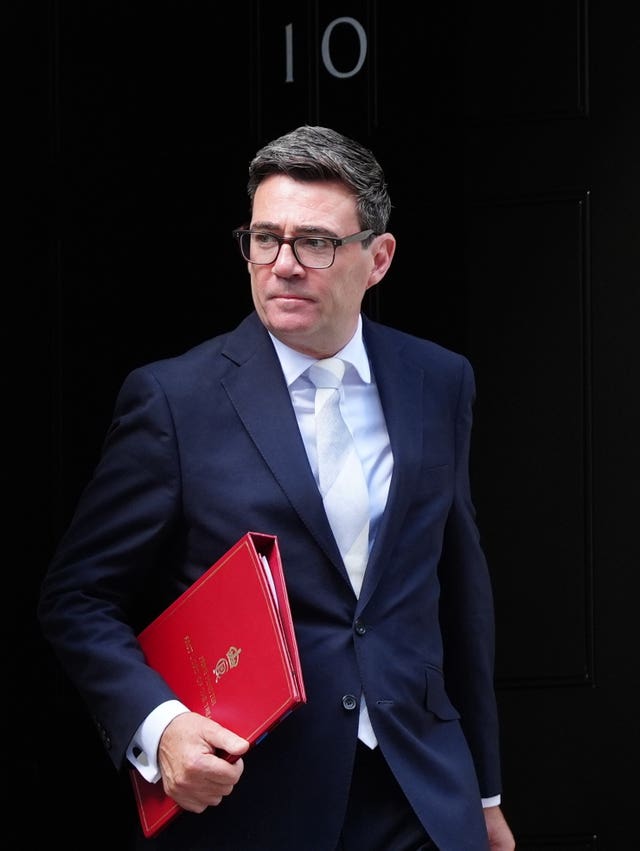
Andy Burnham has said he appointed John Healey as Chancellor “precisely because of his commitment to defence,” amid questions about plans to spend more on the military.
Mr Healey will set out a timetable for spending 3% and then 3.5% of gross domestic product (GDP) on defence at next year’s spending review, the Prime Minister indicated.
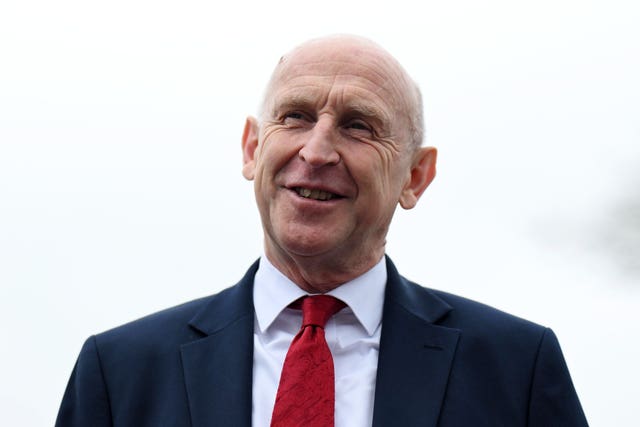
Defence spending is a key issue for Mr Healey, who resigned as former prime minister Sir Keir Starmer’s defence secretary over what he saw as inadequate funding for the Defence Investment Plan (Dip).
In his resignation letter, he said he was “certain that a headmark date for 3% of GDP on defence in 2030 is what Britain must set” before reaching its Nato commitment of spending 3.5% by 2035.
But since becoming Chancellor under Mr Burnham, reports have suggested Mr Healey could back away from reaching his own 3% target by 2030.
Mr Burnham appeared to push back against accusations of backsliding on the uplift when challenged on the issue by Tory leader Kemi Badenoch during his Commons debut as Prime Minister.
He told MPs: “I appointed this Chancellor of the Exchequer precisely because of his commitment to the defence of our realm and the arguments he has made, and he will set out at the spending review the path to honouring our international commitments in full.”
Earlier, Defence Secretary Wes Streeting said “there should be no doubt about the Chancellor’s commitment to investing in our defence.”
Plans set out in the Dip will see defence spending rise to 2.7% of GDP by 2027/28, but there are no firm details on how further increases will be achieved beyond that date.
The Treasury has consistently said the Government will set out plans for reaching both 3% and 3.5% at the spending review, due to take place next year.
Mr Healey himself has said defence will be “central” to the spending review.