The site a few miles from Stonehenge predates the famous stone circle by around 500 years, experts say.
Archaeologists have discovered a 5,000-year-old structure that may have served as an early “prototype” for the alignment for the solstice at Stonehenge.
A Wessex Archaeology team led by TV’s Time Team archaeologist Phil Harding has announced the discovery three miles from the world-famous stone circle, a few days before the summer solstice when thousands will flock to Stonehenge for the sunrise.
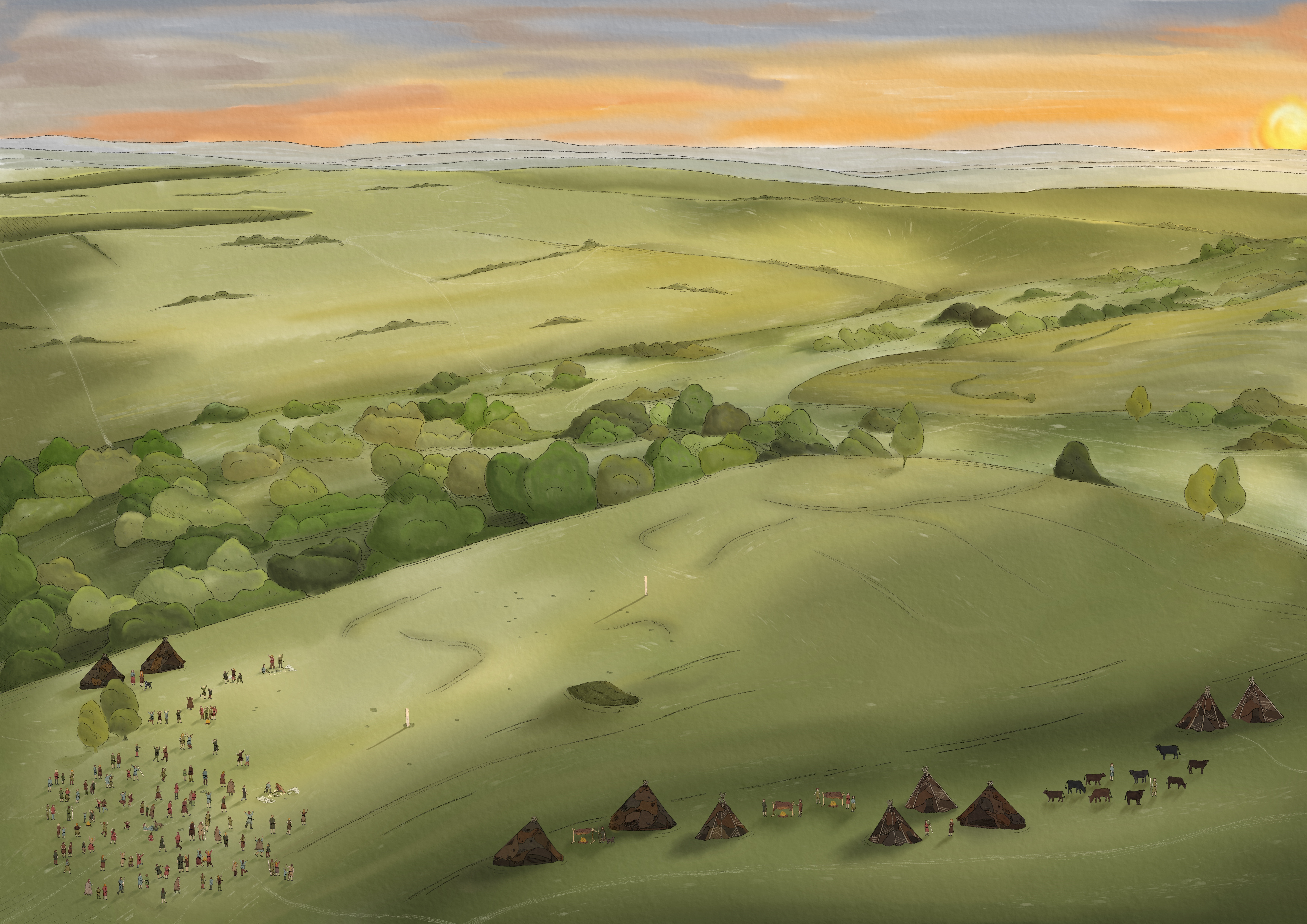
The structure would have consisted of two wooden poles 120 metres apart that experts say were aligned to point directly at the rising sun during the summer solstice and the setting sun at the winter solstice.
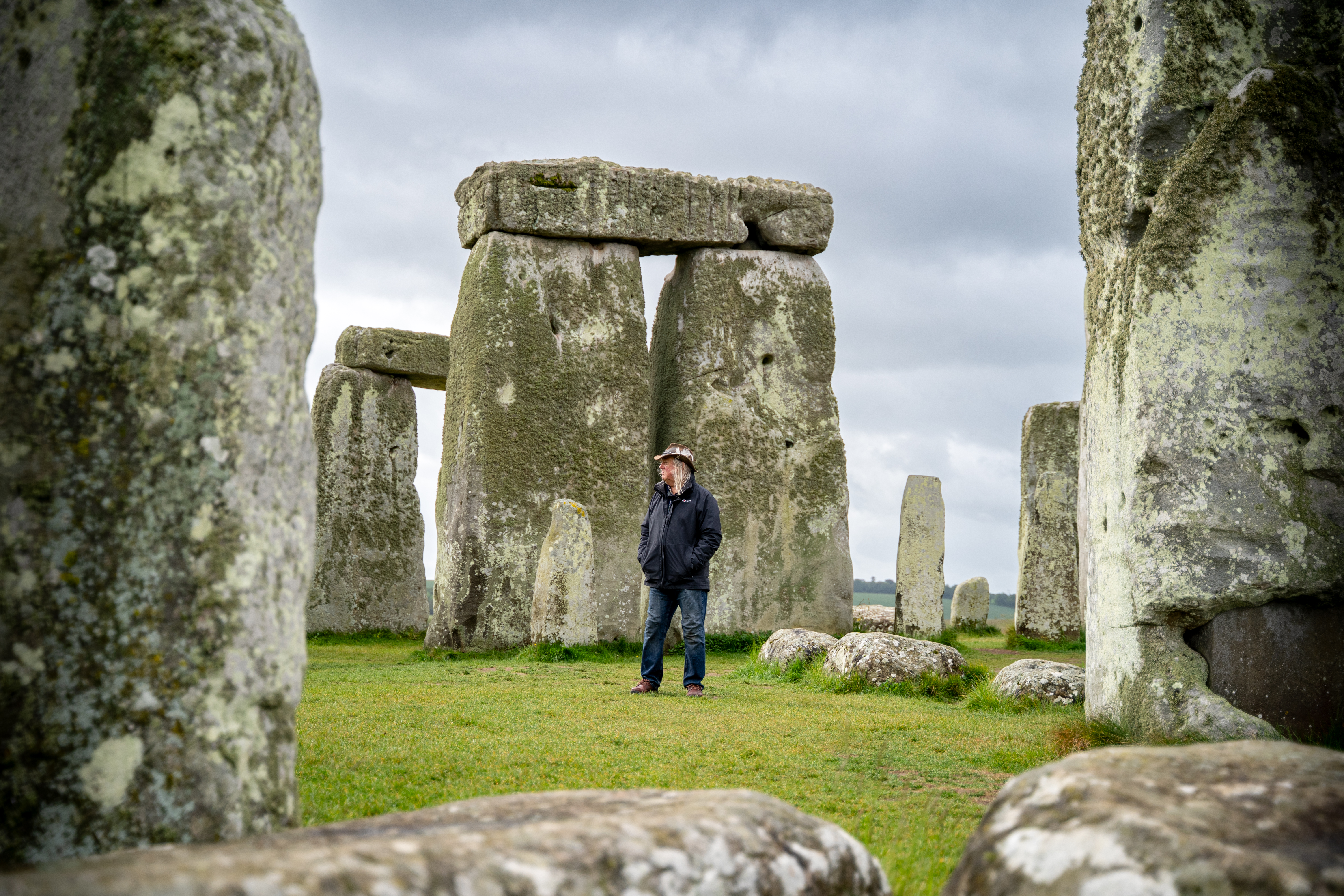
The structure predates the main stone circle monument at Stonehenge by around 500 years, and is the earliest known alignment with the solstice in the wider archaeology-rich landscape.
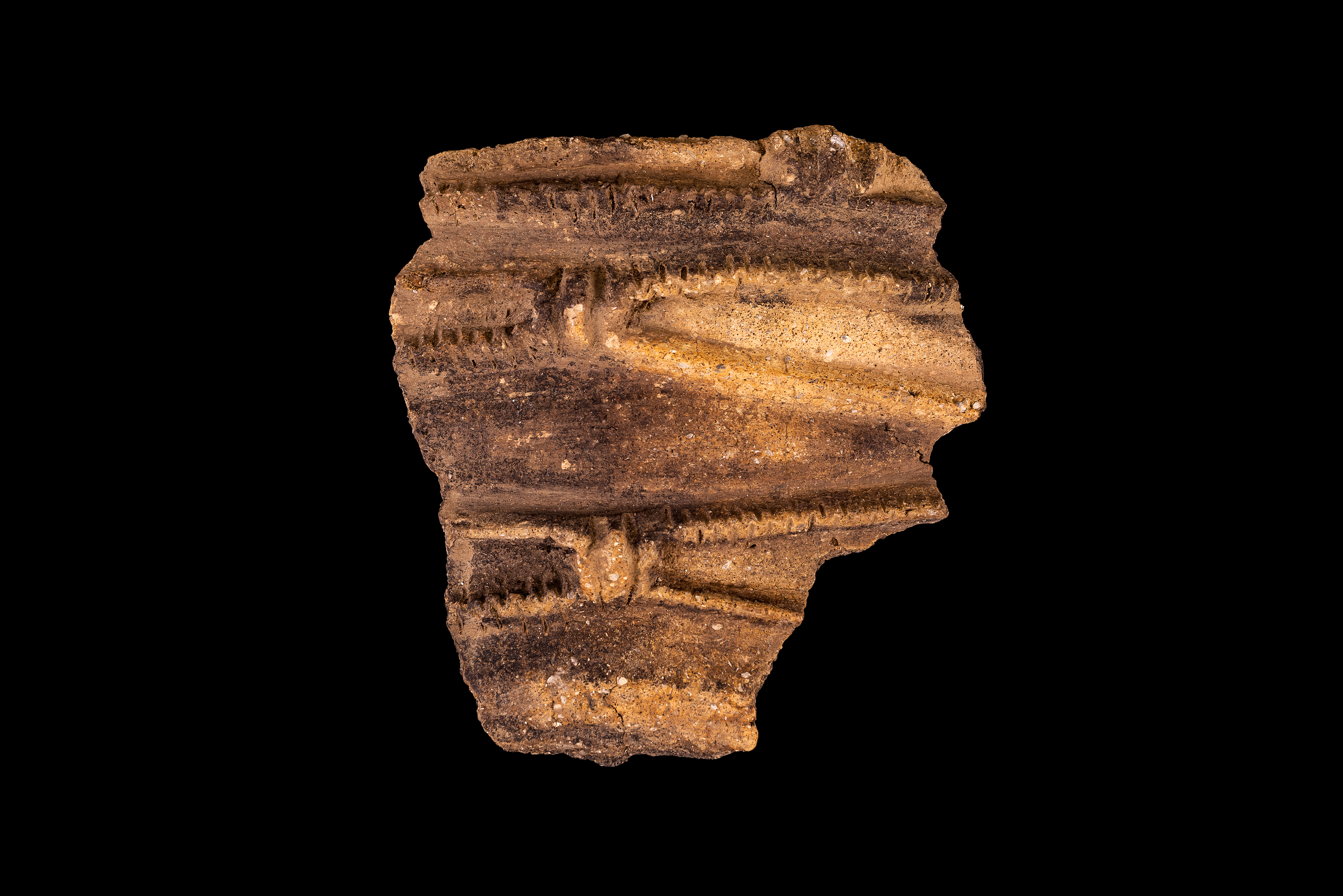
The archaeologists said the site, which also turned up finds including pottery, animal bones, and a very rare disc-shaped knife, was likely to have been a focus for major religious gatherings.
Dr Harding described the discovery as “certainly the highlight of my career”.
The team carried out the dig at Bulford, outside the Stonehenge World Heritage Site and 5km from the main stone circle, as part of archaeological work to support the Ministry of Defence’s programme to expand troop numbers in the Salisbury Plain area as personnel were withdrawn from Germany.
The original excavation, carried out on a 13-hectare (32-acre) site between 2015 and 2017, uncovered 48 pits that were radiocarbon dated to around 2950 BC.
The pits included pottery, animal bone, worked flints and charcoal, suggesting large numbers of people gathered over a relatively short period to celebrate the sun.
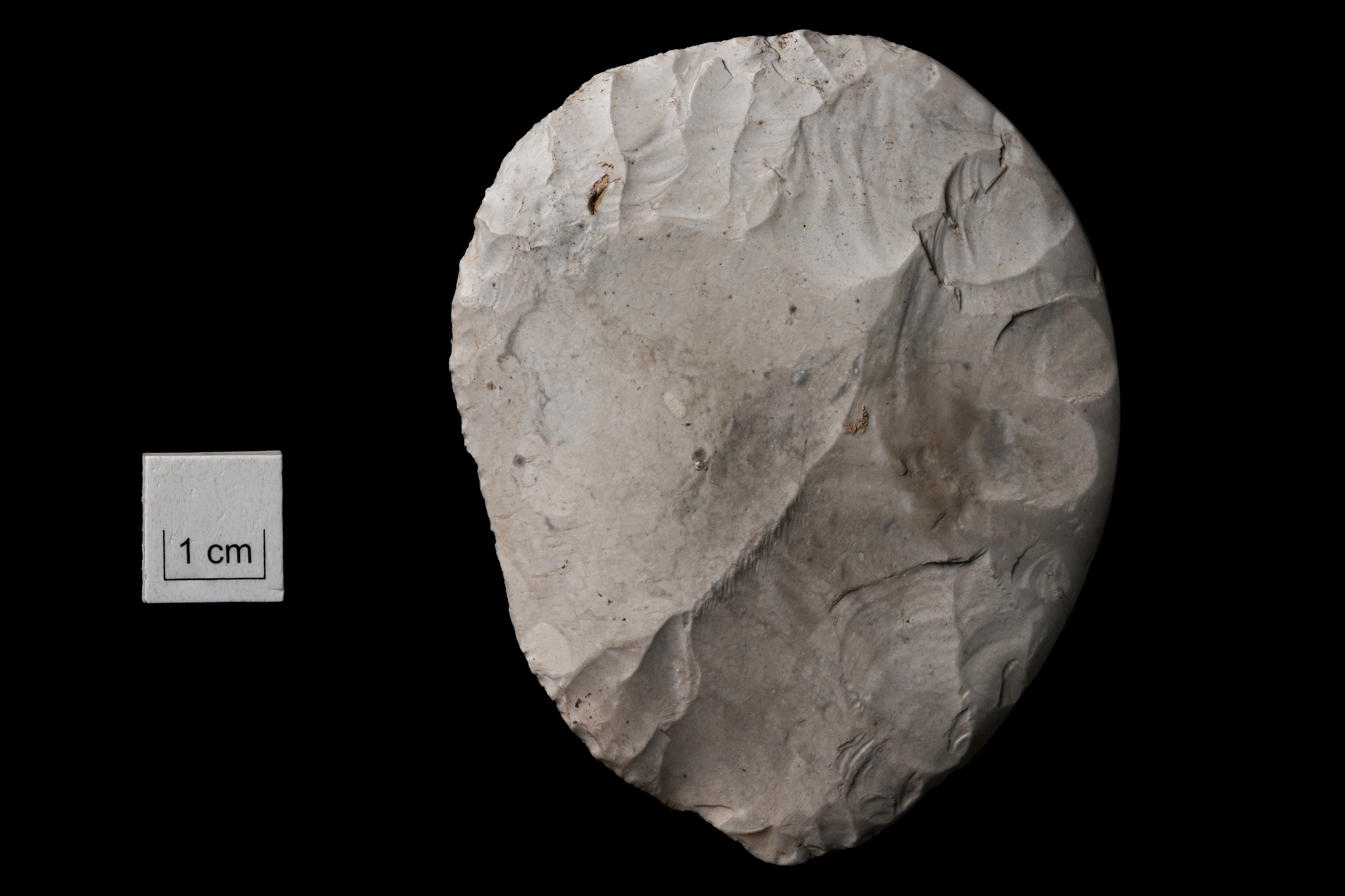
One of the pits, which it is thought might have been a “viewing station” for the solstice, contained a very rare disc-shaped knife that was deliberately placed there – possibly as a symbolic reference to the sun disc, the experts said.
At the centre of the discovery are distinctive post pits filled with chalk rubble rather than debris, which would once have supported two wooden poles aligned with the sun.
Dr Harding said that when he saw the position of the post pits, he joined them up with a pencil and ruler, and compared it to the Stonehenge alignment to see that they were the same direction, lining up with the solstice.
He added: “I got really, really excited about that, and so what we had to do then was to confirm that what Phil’s rough and ready line with a pencil and ruler suggested could be confirmed by a specialist.”
That specialist, Dr Fabio Silva, skyscape archaeologist at Stone x Sky and the Skyscape Academy, said he reconstructed the neolithic landscape and used the same precise astronomical data that Nasa uses to put satellites in space or send people to the Moon to reconstruct the ancient sky.
He said the analysis showed the structure would have aligned with both the summer and winter solstices to within an accuracy of one degree, suggesting the posts were “bang on” in alignment with the rising sun at midsummer and the setting sun at midwinter.
Dr Silva added: “The alignment shows that communities were already engaging with both the summer and winter solstices in the Stonehenge landscape, centuries before the sarsen stones were raised.
“Rather than marking the beginning of a story, Stonehenge now more clearly appears to have emerged from traditions and practices with much deeper roots in this landscape.”
The radiocarbon dating of finds at Bulford shows it was contemporary with the earliest phase of the main site at Stonehenge, when the first earthworks were being built.
Dr Matt Leivers, senior research manager at Wessex Archaeology, said: “I think it’s inconceivable, given the coincidence of dates, that the people who were at Bulford and the people who were at Stonehenge during its first phase didn’t at the very least know about each other, if they weren’t in fact the same people.
“If we had to time machine and went back, I wouldn’t be at all surprised if what we haven’t found is one of the campsites of the builders of the first phase of Stonehenge. I think that’s entirely plausible.”
A similar structure could have been used in the early phase at Stonehenge, but which has since been lost under later works.
But the discovery at Bulford is “fundamental” because it is the earliest example of people building things in the area aimed directly at the solstice, Dr Leivers said.
Dr Harding said he had been blown away by the scale of the post pits, prompting him to consider what they were for, before he joined them up and realised their alignment.
“I don’t know whether you call it a giggle moment,” he said.
“Opportunities like this come along once in a career, once in a lifetime.
“I’m probably towards the end of my career now, but thank God I’m still in archaeology long enough to be part of this discovery, because it’s certainly the highlight of my career.”
The site, which is now MoD housing, is not accessible to the public and Dr Harding said one of the post pits was now probably “under someone’s front room”, though the other is in an open recreational area, and still visible, he said.
He added: “In a few days’ time, Stonehenge will be filled with people celebrating midsummer solstice.
“But what few will realise is that 5,000 years ago on a nearby hillside overlooking modern day Bulford, people were doing the exact same thing – revering and celebrating the sunrise on Midsummer’s Day.”