Increasingly unpredictable climate conditions, unfair trade practices and rising costs are squeezing the amount of money Kenyan farmers can make.
Kenyan farmers who grow tea sold in UK supermarkets have warned that climate impacts are hitting yields and their already “scarce” incomes.
The East African nation, which supplies half of all the black tea consumed by Britain, has seen farmers facing unpredictable climate conditions, lower production and quality levels, and rising input costs in recent years.
This has contributed to the wider surge in global tea prices, with UK shoppers now having to fork out more for their beloved brews.
But the farmers living in poverty at the other end of the supply chain are also seeing little financial benefit from higher prices as they harvest less and pay more to sustain their crops, while middlemen, brokers and large corporations continue to absorb most of the profits.
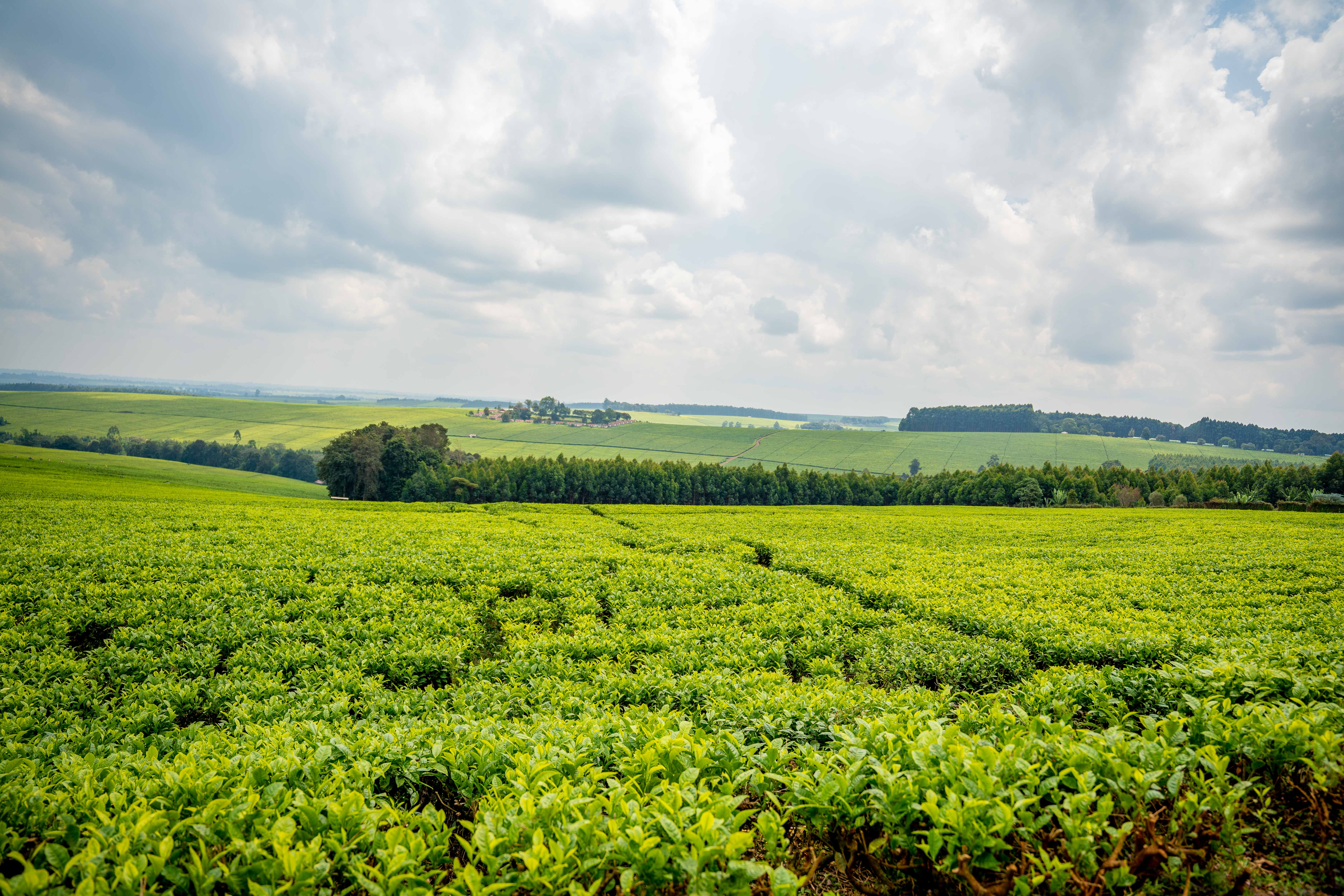
Many in the western Kenyan regions of Kericho and Bomet said they are increasingly unable to meet their families’ basic living costs, let alone invest in climate resilience measures for their farms.
These areas are seeing more volatile and extreme weather this year, including wetter conditions in January when it is usually dry, hot temperatures in July when cooler conditions are expected, storms and drought.
Nelson Ngeno, manager of Fintea, a union of tea farming cooperatives based in Kericho, said farmers are “really scared” as their livelihoods are “cut short” by the changing conditions.
Production across Fintea’s five cooperatives fell by 30% in May and June this year compared to what their farmers usually harvest during those months, he said.
“Climate is really affecting our farmers,” Mr Ngeno said. “There has been a complete change as far as the weather is concerned.
“It is very serious.”
In January, an unprecendented hail storm damaged thousands of tea plants in the district of Kabartegan, with Fintea estimating losses of 20,000 to 30,000kg daily over four months as the plants recovered.
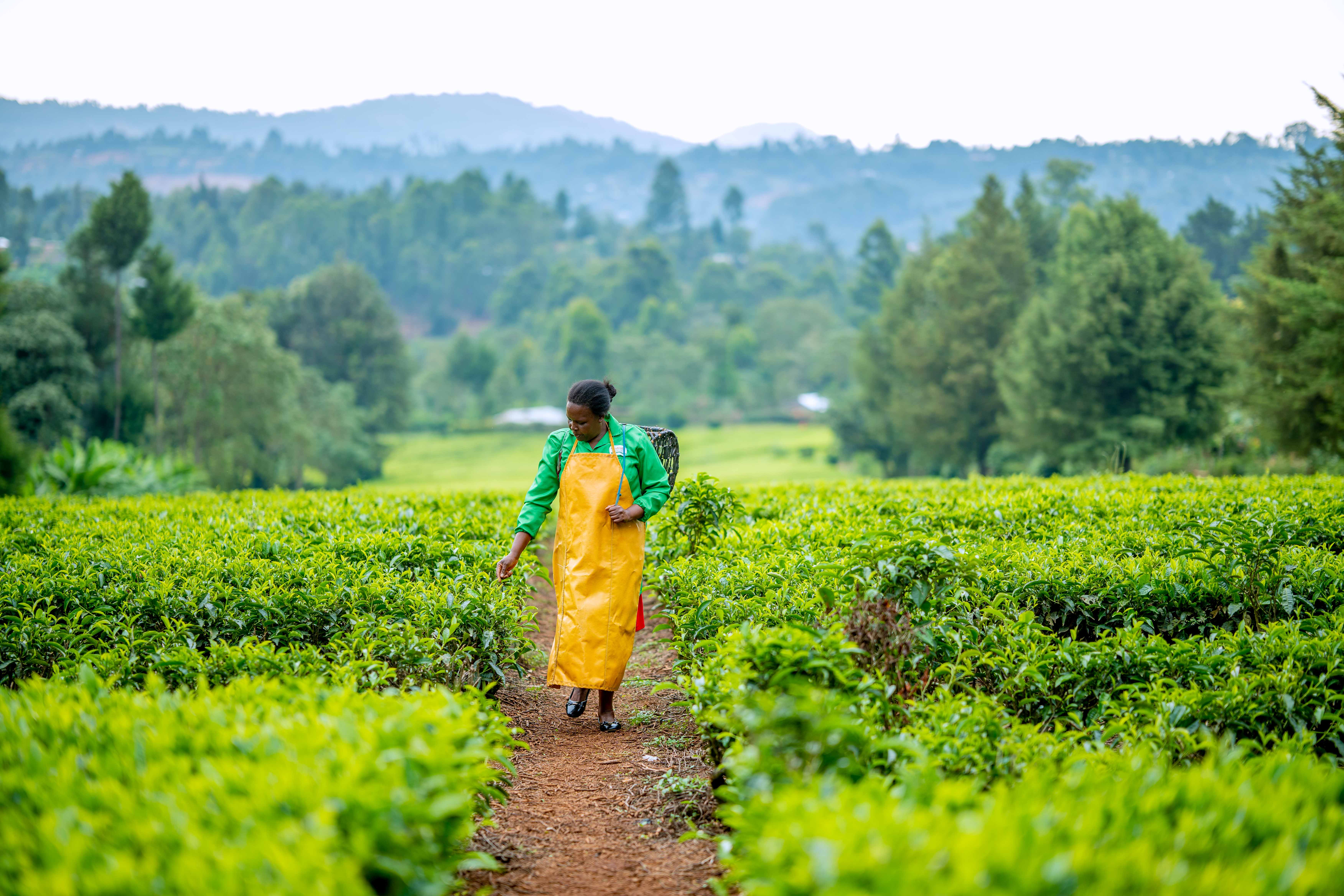
Lilian Mutai Levin Langot, from the village of Kesebet, was among some 500 tea farmers who lost significant earnings when the storm wiped out her farm.
The 48-year-old smallholder farmer told the Press Association: “It was scary. The hailstones hit everything. On the tea plants, only the stems remained.
“I could not pick anything. It meant there was no income. There was nothing. We just had to survive.”
While she normally earns around 120,000 Kenyan Shillings (Kes) annually (£692), this will likely drop to no more than 90,000 Kes (£520) in 2026.
Ms Langot said she has taken out a loan to get through the year but has still struggled to pay for healthcare fees, school fees for her son and the upkeep of her infant granddaughter.
And having bought a cow and calf to diversify her income, the farmer said she was unable to buy enough feed, so the cow stopped producing milk, and both eventually died.
“It was so hard,” she said, adding that she is “very worried” about such a storm happening again.
“It will be so bad on us,” she said. “When we see the rain, we are just hoping: ‘Don’t let it be the hailstones. Let it just be the rain’.”
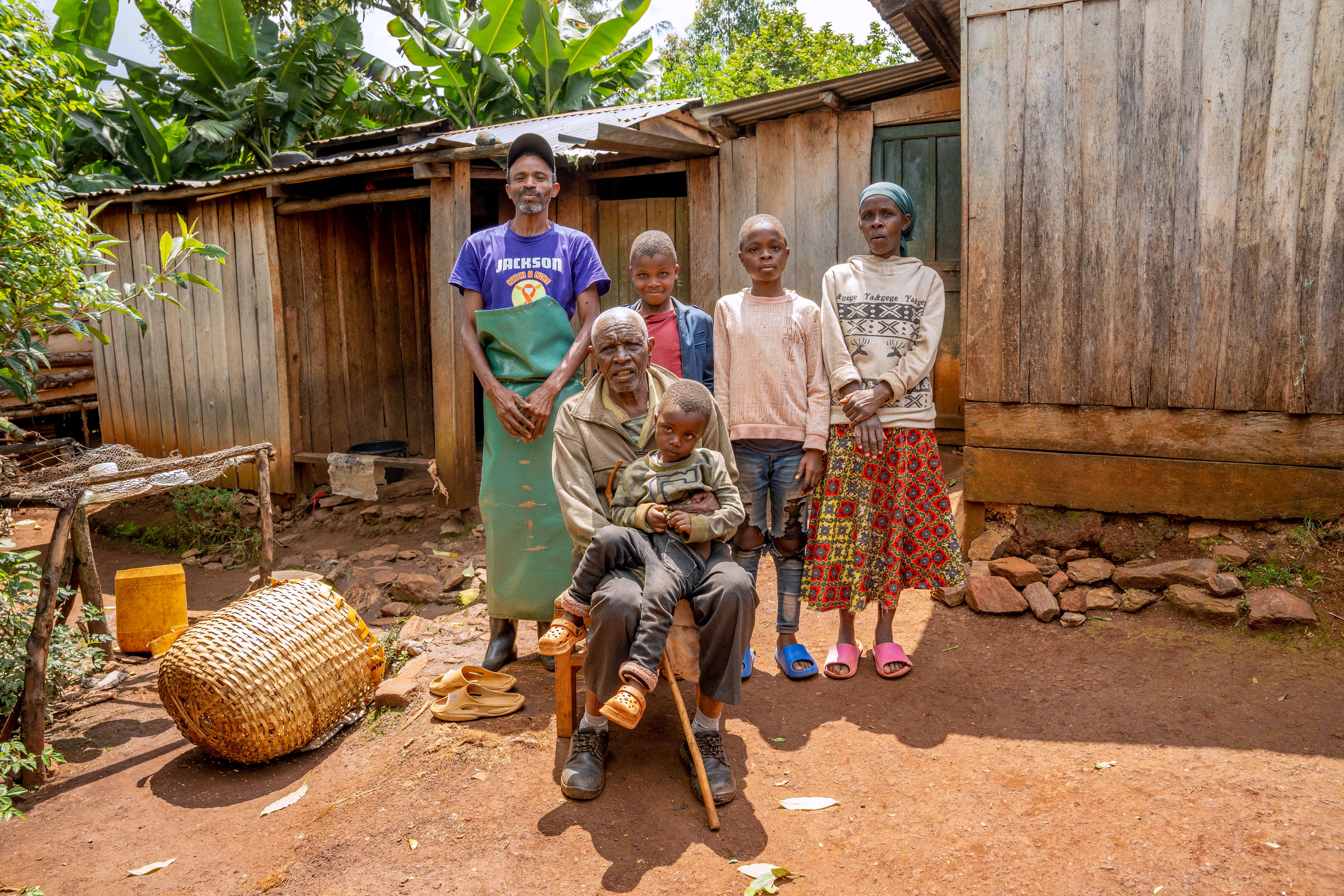
Meanwhile, Paul Kipsigei Koech, 50, who lives in nearby Chepchabas, told PA that he is earning so little from his tea farm that he can only provide one meal of mushed-up maize each day for his seven children, wife and elderly father.
Extreme weather events are now happening “once a year”, he said. “You can’t predict like we usually do in the previous (years).”
This, alongside the rising cost of living, is putting further pressure on his ability to make ends meet, with his current income sitting at around 3,000 to 4,000 Kes (£17 to £23) a month, equivalent to less than £1 a day.
“The income is really low to support the entire family,” he said, adding that he is also 80,000 Kes (£462) in debt.
“It is not enough. It is very scarce,” he said. “There is no breakfast. No lunch.”
Asked what he would spend the money on if he received a higher price for his produce, Mr Koech said he would pay the fees so his children – the youngest of which is six – could go to school and eventually help to support the family.
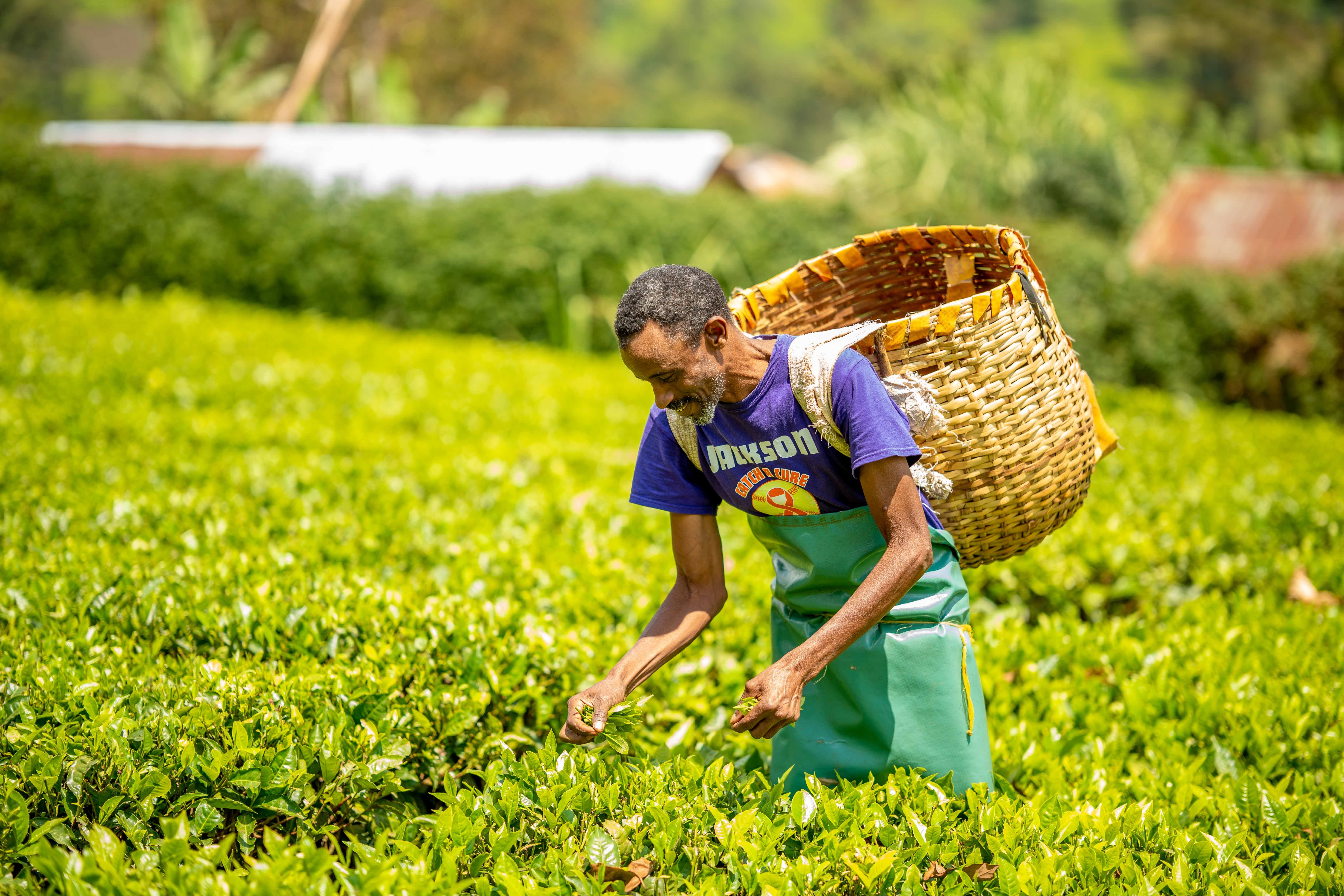
“I do not want them to come back to pick tea. I want them to go forward and even get different jobs than what I do,” he said.
Meanwhile, Gladys Maiywa, 50, also from Chepchabas, also earns around 3,000 Kes (£17) a month to support her eight children and sometimes less depending on the weather.
She similarly has sunk 19,000 Kes (£109) in debt to pay for school fees and has an overdraft in the bank of 3,000 Kes.
“It’s very difficult,” she said. “If we get droughts for one, two or three months, we don’t get money. We can’t harvest anything.”
Ms Maiywa said she would spend additional income on her children, their education and build a new home to replace the basic hut they all currently live in.
“I want to see an increase to the rate of pay for our tea,” she added.
And Philip Kitur, a 66-year-old farmer based near Kericho Town, said he has produced 50% less tea than usual for July as climate change and unfair trade practices hit his income.
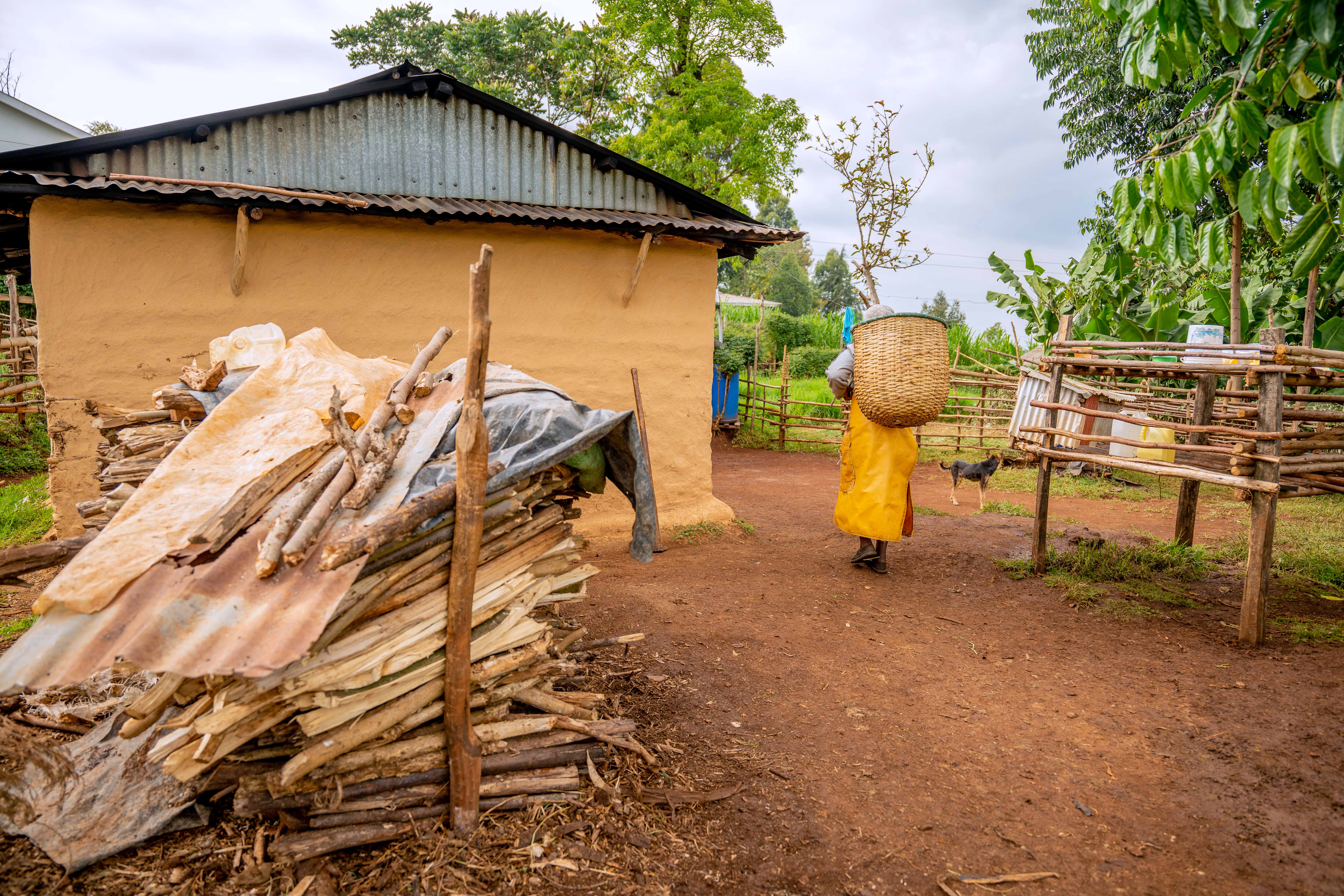
He said: “A long time ago, the weather was very, very reliable but now the weather patterns have changed.”
His income “just covers the production costs right now”, he said, adding that he has to look for other means of earning money to cover his household’s needs.
“I expect to see less profit this year because of the dry period. We don’t know what’s to come,” he said. “It is very painful.”
Their stories come against a wider backdrop of Fintea seeing a drop in the amount of tea it sells on Fairtrade terms from around 5% five years ago to less than 1% today.
This means its farming cooperatives receive less money from “premium payments”, which they can use to invest in climate resilience measures or social impact projects.
Supermarket Lidl last week announced it would be sourcing more tea from Fintea on Fairtrade terms and pay additional money to boost farmers’ incomes, for a new tea called “Way To Go!”, which will hit shelves on Tuesday.
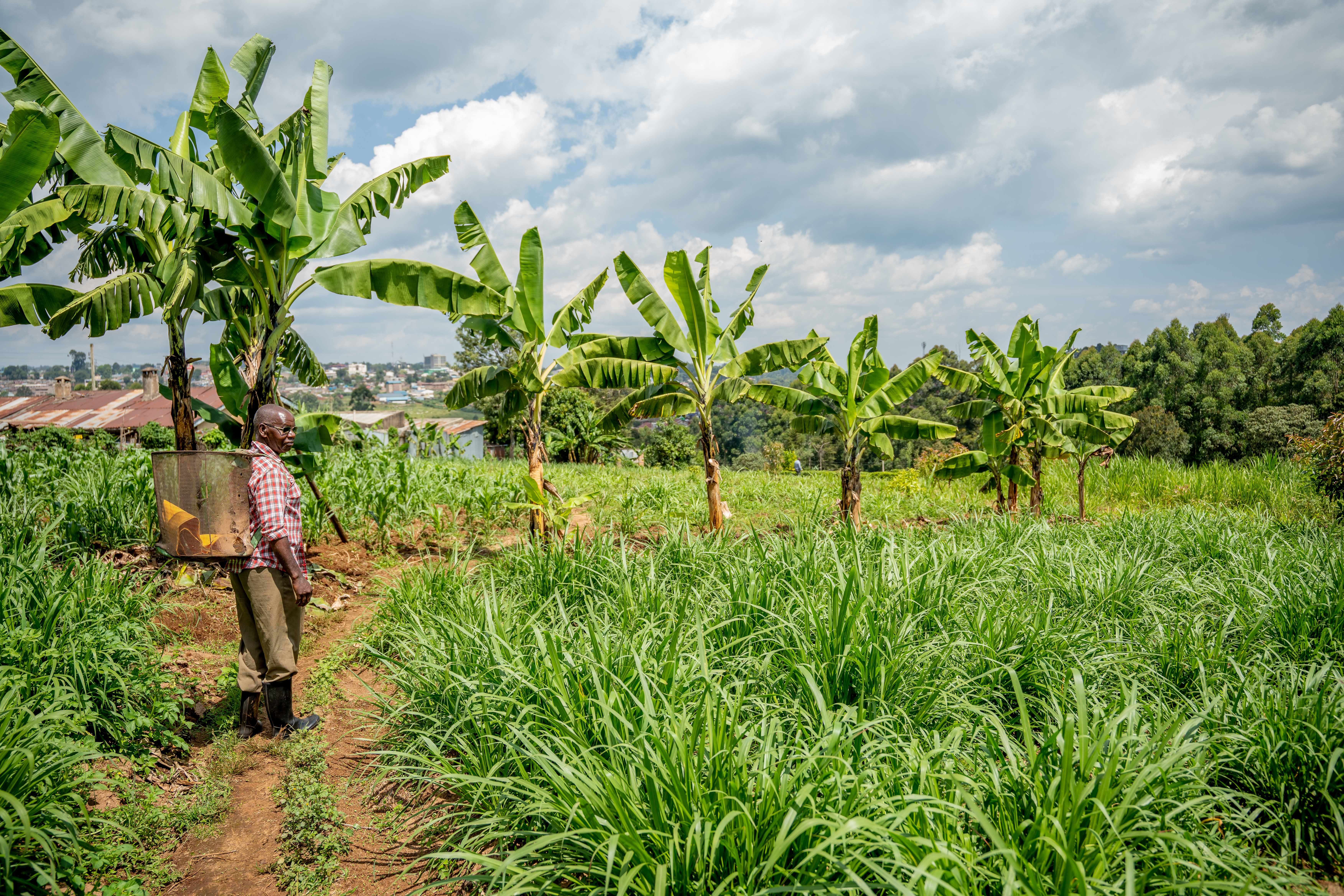
Fintea said the commitment means the percentage of tea it sells on Fairtrade terms may increase to around 2.6% in the coming years.
But Fairtrade is urging more businesses to source tea on Fairtrade terms as the organisation marks the start of its annual “Fairtrade Fortnight” campaign on Monday.
Kerrina Thorogood, partnerships director at the Fairtrade Foundation, said: “Today, just one in five tea farmers in Kenya earns enough income each month to support their families with the essentials.
“As a result, many struggle to invest in their farms, adapt to climate change, and plan for the future.
“Addressing this challenge requires businesses to take responsibility for the prices they pay.”