It looked at asking prices in locations around London, Manchester, Glasgow, Birmingham, Bristol and Cardiff.
Average house prices in commuter hotspots in more affordable parts of Britain are rising at a faster percentage rate than those in some pricier areas, according to a property website.
Rightmove looked at asking prices for homes in commuter locations around six cities – London, Manchester, Glasgow, Birmingham, Bristol and Cardiff.
It looked at annual changes in average asking prices in July.
Affordable commuter locations around Glasgow and Manchester lead the growth in average asking prices, the research indicated.
Many of these locations offer easier access to a major city at a lower price point than commuter hotspots in southern England, with many London commuter hotspots having average asking prices of more than £500,000, Rightmove said.
Falkirk in Stirlingshire had the highest price growth in the research, at 13.5%, with an average asking price of £183,596.
Average asking price growth has generally been more subdued in the cities themselves than in many surrounding commuter areas, Rightmove said.
Across the six cities analysed, average asking prices were up by 2.9% annually in Glasgow (£191,530), 1.8% in Manchester (£261,212) and 1.4% in Cardiff (£285,596).
Meanwhile, prices had decreased annually by 0.6% in Birmingham (£251,340), 0.6% in Bristol (£375,205) and 3.1% in London (£646,451).
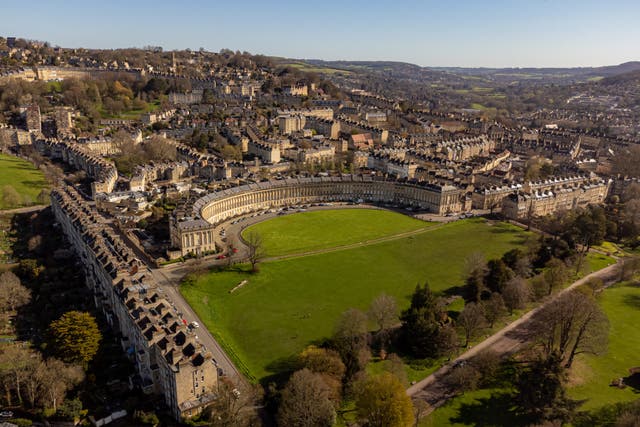
Haywards Heath in Sussex recorded the largest annual asking price decline in the analysis, down 4.8% to reach £461,066, followed by Maidenhead with a 3.9% fall, and Bath with a 3.8% decrease.
Colleen Babcock, a property expert at Rightmove, said: “Our data highlights two very different stories playing out across some of Britain’s commuter markets.
“In the more affordable locations around Glasgow and Manchester, asking prices are rising strongly as buyers look for value within reach of major cities.
“Meanwhile, some of the more expensive commuter hotspots are seeing prices ease, which could create opportunities for buyers who may previously have been priced out.
“For anyone considering a move, it’s a reminder that looking a little further beyond the main city locations can often open up more options and better value for money.”
Estate agents said commuter belt locations can provide attractive benefits for home buyers, including the potential to be close to work while also perhaps having access to local amenities, thriving local communities, and green spaces.
Ian Harris, National Association of Estate Agents Propertymark president, said: “Since the pandemic, we’ve seen an initial reformatting of what many people want and need from the location they choose to live in.
“Initially, we saw many people embrace the concept of working from home and enjoying a lifestyle away from the traditional city commute.
“However, this is now a trend that is starting to swing back, with many people looking for a hybrid location that offers easy commuter access to key cities, while also providing a desirable mix of out-of-city amenities.”
Shona Crawford, director at Rettie, said: “The continued strength of Glasgow’s commuter areas reflects the exceptional lifestyle they offer.
“Areas such as Bearsden, Milngavie, Newton Mearns and Giffnock combine easy access to Glasgow with larger family homes, green space, and strong local communities.”
Clark Gillespie, director at Forth and Clyde Property, said: “Falkirk is an attractive choice for buyers because it offers a combination of affordability, strong transport links and excellent family amenities.”
Rightmove’s research looked at commuter areas surrounding the six cities only, not every commuter location in Britain.
Here are the top 15 commuter hotspots with the nearby city, the average asking price in each location and the annual percentages in asking price growth, according to Rightmove:
1. Falkirk, Stirlingshire, Glasgow, £183,596, 13.5%
2. Rochdale, Greater Manchester, Manchester, £238,115, 8.7%
3. Broxbourne, Hertfordshire, London, £654,263, 8.1%
4. St Helens, Merseyside, Manchester, £192,570, 7.8%
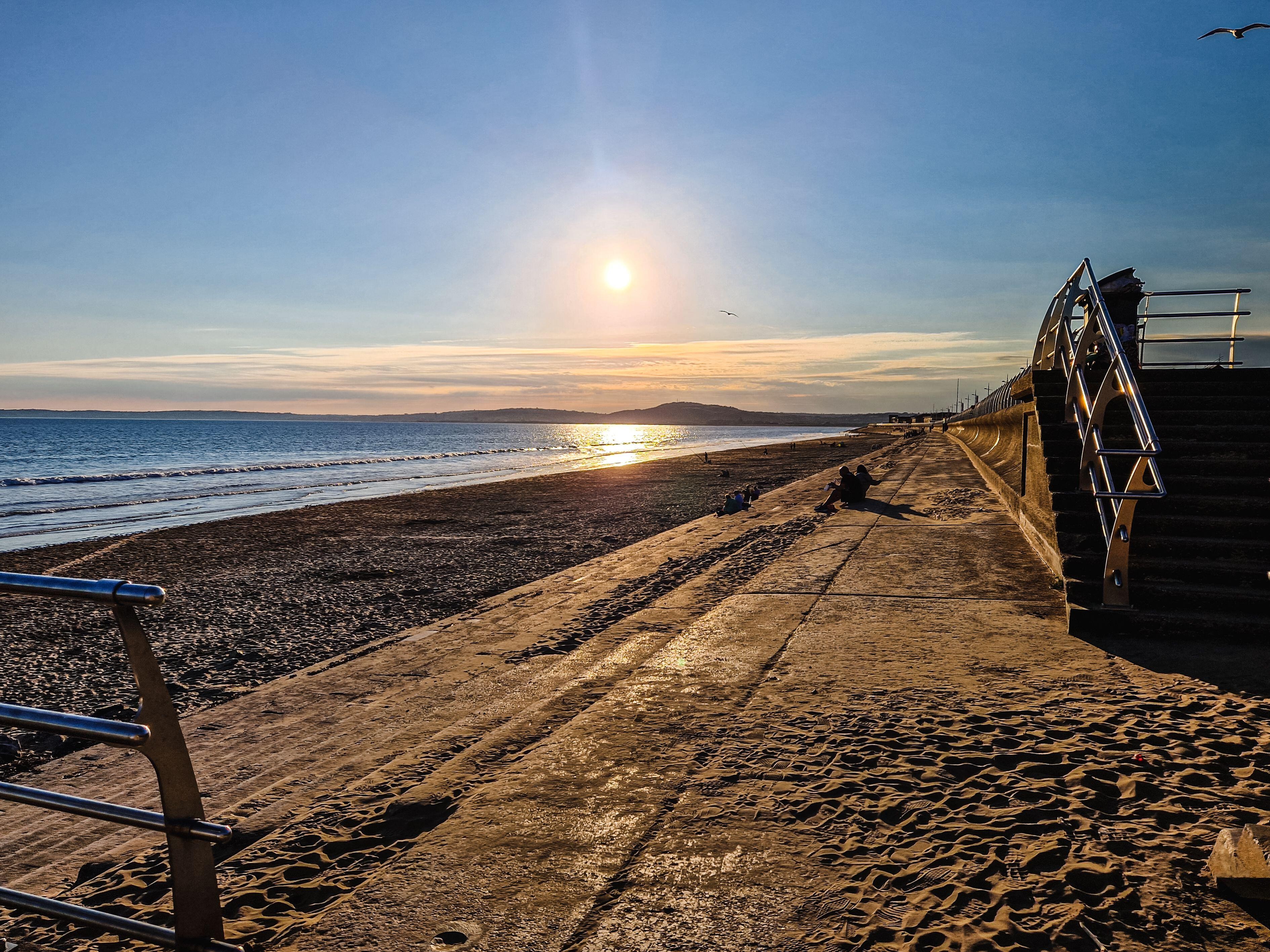
5. Port Talbot, Neath Port Talbot, Cardiff, £176,787, 7.7%
6. Wishaw, Lanarkshire, Glasgow, £140,127, 7.0%
7. Wigan, Greater Manchester, Manchester, £193,347, 6.2%
8. Stalybridge, Greater Manchester, Manchester, £265,378, 5.6%
=9. Greenock, Inverclyde, Glasgow, £135,151, 5.3%
=9. Hamilton, Lanarkshire, Glasgow, £174,869, 5.3%
=11. Wolverhampton, West Midlands, Birmingham, £230,737, 5.2%
=11. Barry, Vale of Glamorgan, Cardiff, £261,859, 5.2%
13. East Kilbride, South Lanarkshire, Glasgow, £174,348, 5.1%
14. Dumbarton, Dunbartonshire, Glasgow, £168,045, 5.0%
15. Penarth, South Glamorgan, Cardiff, £432,414, 4.7%
Here are the locations with the biggest percentage annual asking price falls, according to Rightmove, with the nearby city, the average asking price in each location, and the annual percentages in asking price falls:
1. Haywards Heath, West Sussex, London, £461,066, minus 4.8%
2. Maidenhead, Berkshire, London, £571,686, minus 3.9%
3. Bath, Somerset, Bristol, £508,109, minus 3.8%
4. Leamington Spa, Warwickshire, Birmingham, £369,612, minus 3.3%
5. Reading, Berkshire, London, £377,211, minus 2.9%
6. Billericay, Essex, London, £558,087, minus 2.8%
7. Yate, Bristol, Bristol, £331,921, minus 2.3%
8. Slough, Berkshire, London, £405,182, minus 2.2%
9. Chelmsford, Essex, London, £402,836, minus 2.1%
10. Basingstoke, Hampshire, London, £353,642, minus 1.9%
11. Woking, Surrey, London, £509,550, minus 1.7%
12. Tonbridge, Kent, London, £483,362, minus 1.5%
13. Redhill, Surrey, London, £426,481, minus 1.3%
=14. Brentwood, Essex, London, £559,908, minus 1.2%
=14. Caerphilly, Cardiff, £251,142, minus 1.2%