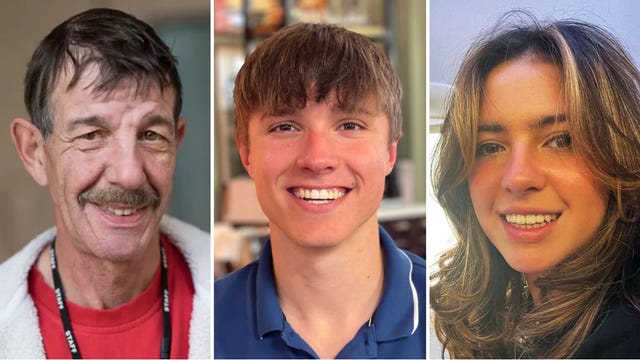
Experts were asked to conclude whether the deaths of Barnaby Webber, Grace O’Malley-Kumar and Ian Coates could have been prevented.
The death of a student who was stabbed by paranoid schizophrenic Valdo Calocane was potentially preventable if he had different medical treatment at the scene of the attack, a panel of experts found.
Valdo Calocane was detained under mental health laws four times before he stabbed University of Nottingham students Barnaby Webber and Grace O’Malley-Kumar, both 19, in the early hours of June 13 2023 while they were on the way home from a night out.
After killing the students, Calocane stabbed school caretaker Ian Coates, 65, then stole his van and used it to try to murder three pedestrians.
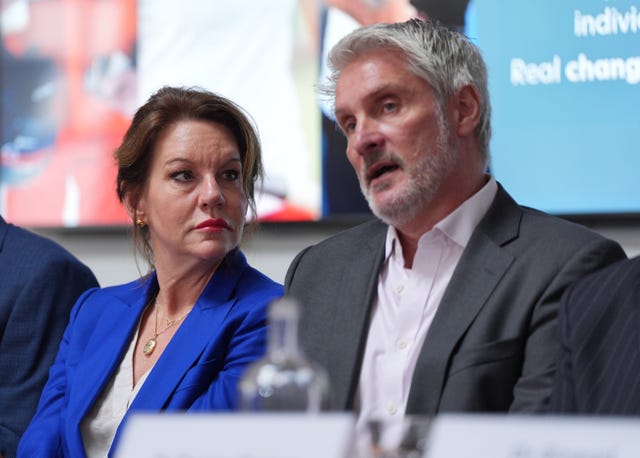
An inquiry into the attacks, which heard evidence from 164 witnesses over more than three months, was told of a series of failings by police, mental health services and other public authorities.
The inquiry is hearing the first day of closing submissions from the core participants on Tuesday.
Counsel to the inquiry Rachel Langdale KC told the hearing Dr Claire Park was provided with the victim’s medical records and witness statements to determine, along with an expert panel, “whether it was likely Barney, Grace or Ian would have survived had (medical) treatment been commenced earlier”.
Ms Langdale said Mr Webber’s death was categorised as “potentially preventable” by the panel.
She said: “Barney received extensive treatment at the scene.
“Dr Park and the panel noted it was clear all responders worked together to deliver compassionate and efficient care to Barney.”
The inquiry heard that Mr Webber went into cardiac arrest on at least one occasion and he could not be resuscitated in the ambulance on the way to Queen’s Medical Centre.
Ms Langdale continued: “Dr Park and the panel were of the opinion that the care could have been improved by those treating Barney at the scene.”
She said they found that if volume resuscitation, which is when fluids are replaced in the body, was more aggressive at the scene, he could have made it to the hospital “thus allowing for a decision to immediately operate”.
She added that the panel found “rapid and meticulous steps” would have been needed for him to survive on the way to intensive care.
Ms Langdale told the inquiry: “There was a small chance, far less than 50%, that Barney could have survived his injuries.”
The inquiry heard that Ms O’Malley-Kumar was already in cardiorespiratory distress when she was found at the scene of the attack.
The panel found responders worked “to the best of their ability to provide immediate care and medical interventions for Grace”, Ms Langdale said.
She added: “It was the opinion of Dr Park and the expert panel that Grace’s injuries were not survivable and it’s unlikely resuscitative treatment would be successful if she had been discovered at the same time as Barney.”
Ms Langdale added that the panel categorised Mr Coates’ death as “non-preventable”.
She told the inquiry: “Due to the severity of his injuries, Dr Park and the panel were of the opinion that even if an enhanced care team were present immediately after the attack on Ian, the injuries would not have been survivable.”
The closing submissions continue.