The body of Elisabeth-Jane Ross, 38, was discovered stuffed inside a suitcase in a derelict building in Athens last month.
People living and working in the area where the body of a Scottish woman was discovered stuffed inside a suitcase have spoken of the “devastating” impact the event has had on the community.
The body of Elisabeth-Jane Ross, 38, was discovered by a homeless man inside a derelict building in the Kypseli neighbourhood of Athens on July 18.
A 26-year-old man, understood to be Sharif Ahmadzai, appeared in court in the Greek capital on Wednesday on suspicion of killing the aid worker, along with weapons offences and robbery charges.
Following his arrest last week, the Greek police released CCTV footage allegedly showing Ahmadzai wheeling a large suitcase and carrying a bag along Aiginis Street, where he is reported to have lived with his wife and young child.
The figure in the clip is walking in the direction of the abandoned building at 7 Evelpodin Street, where the body was found some days later.
A couple of weeks on from the grisly discovery, locals in the vibrant Kypseli district have spoken of the impact Ms Ross’ death has had on those living and working there.
Khalil Jebali, 29, has lived on Aiginis Street for the last four years, having moved to Greece from Tunisia about five years ago.
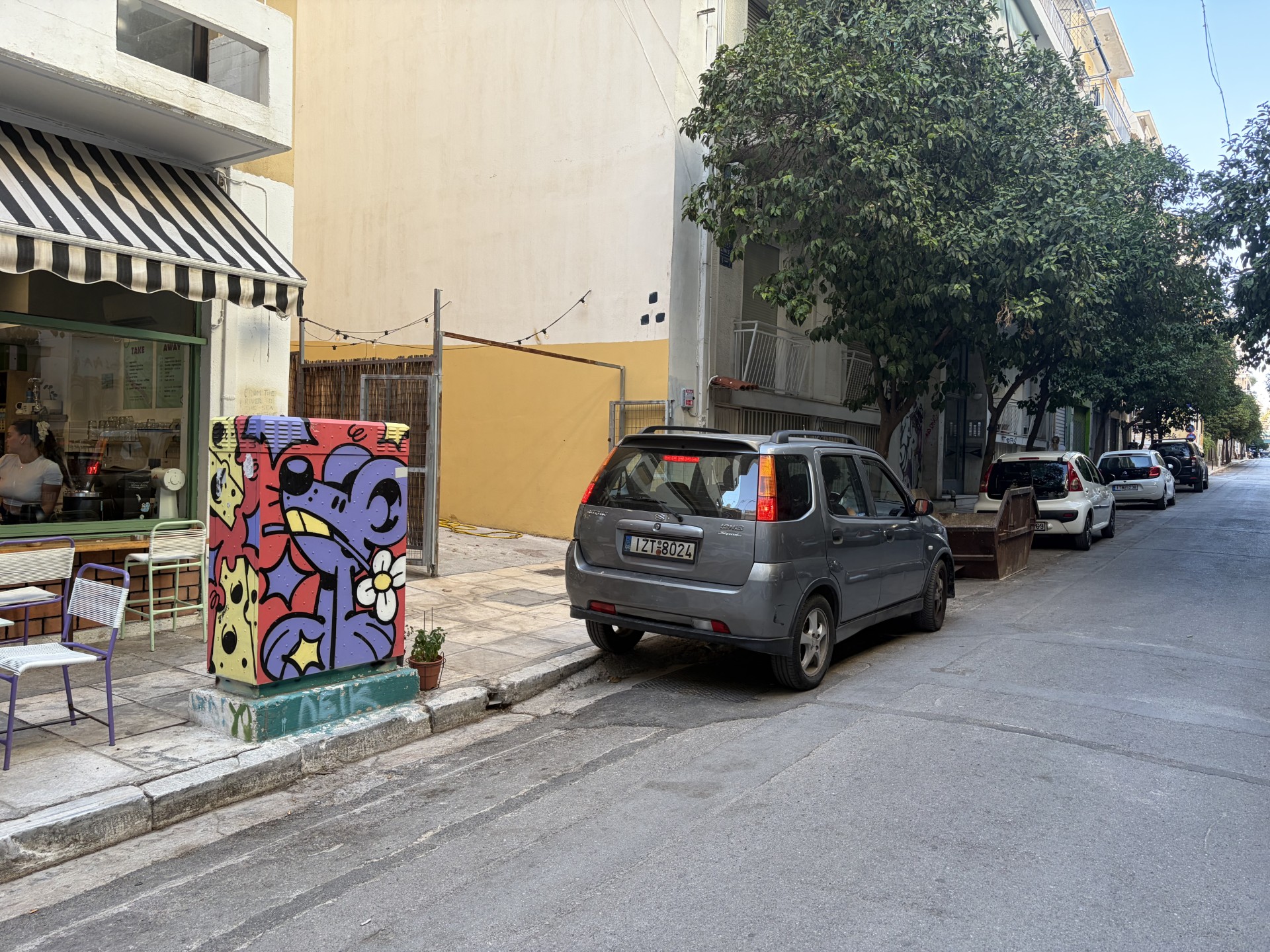
He told the Press Association: “It was pretty devastating when the crime took place and we heard that they found a dead body there, because I play tennis right across from where they found the body.
“I was extremely devastated for the death of the woman, and every time I hear about these tragic events all I think of is the fear that that person was feeling when it took place.
“They’re dead. They’re not going to come back. But the fear is the worst part of someone being murdered.”
Mr Jebali, who works in a restaurant and a call centre, said in the days following Ms Ross’ death, many in the community feared whoever was responsible would strike again.
“Many people were very scared when the crime happened and the criminal was not apprehended yet,” he said.
“My female friends at work were kind of scared to come to downtown, they’re like, ‘we don’t know where (the killer) lives’.”
He also described Kypseli as a “neighbourhood of immigrants” – and said a lot of people in the area had been worried about an anti-immigration backlash when it emerged the man suspected of killing Ms Ross had come to Greece as an Afghan refugee.
“It’s actually a very calm neighbourhood,” he explained.
“I lived here at first mainly because it was a neighbourhood of immigrants. It has a lot of nationalities mixed, like we’re Albanians, North Africans, Sub-Saharan Africans, Asians from Afghanistan, Pakistan, and everything. Life is pretty peaceful.
“This type of crime is extremely rare because in Kypseli, maybe the biggest crime that you might hear or see is drug dealing, which exists on any street on the planet.”
Alex, 30, works in the area very close to where Ms Ross’ body was discovered, and said it had been “disturbing” for the community to think there was been a killer in their midst.
“We were all shocked because we know the place, we are really close to it, I work in the area,” he said.
“I’ve actually been inside the area (where the body was found)”.
He added “It’s shocking because you don’t know who you’re talking to. Everyone can be anything, really.
“And now, a murderer just coming by. It’s scary.”