Trish Gordon was told she had five to 10 years to live after being diagnosed with a brain tumour more than a decade ago.
A Scottish hospital doctor who survived a brain tumour has said playing bridge aided her recovery and helped her return to medicine.
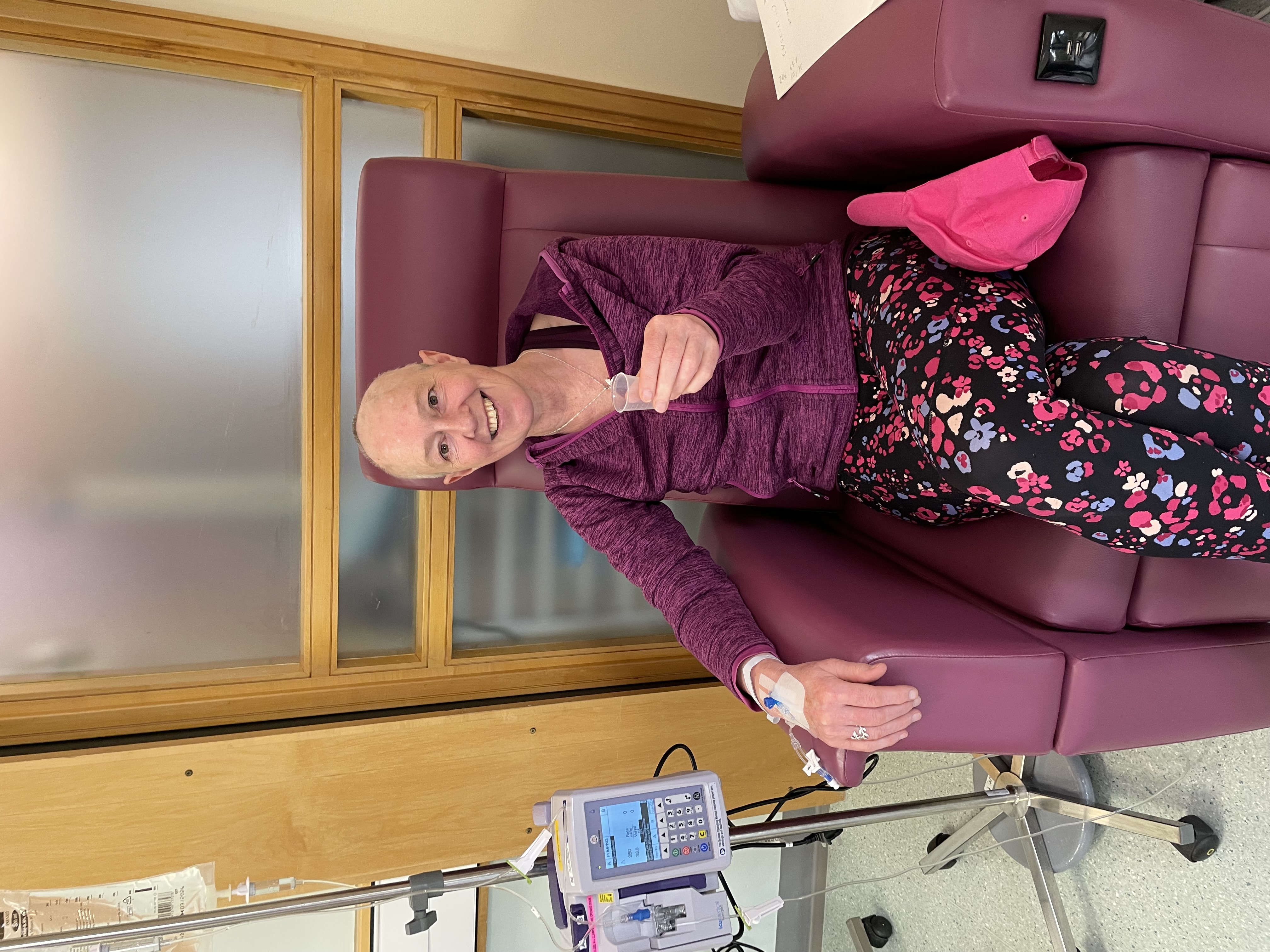
Trish Gordon, 61, was medically retired and told she had just five to 10 years to live after being diagnosed with a brain tumour more than a decade ago.
The senior doctor, who lives in Edinburgh, first sought medical help in September 2013 after the entire right side of her body gave way while she was examining a patient.
She was initially given the all clear but, a few months later, she had a seizure while driving her car and was diagnosed with a grade 2 oligodendroglioma.
Surgeons removed a 10cm tumour in 2014, but the operation left the single mother struggling with concentration, communication and everyday tasks.
Ms Gordon attempted to return to work but realised the challenges she faced were too great and was medically retired in September 2015.
“My whole life was turned upside down. I knew there were risks with the surgery, but nothing really prepares you for how much your life can change,” she said.
“Overnight, things I’d done without thinking suddenly became difficult. I wasn’t able to drive for a year.
“Simple tasks such as walking my son to school were too much. I would come back and stare at the wall. Any background noise or stimulation felt too much.”
Ms Gordon said finding words was a big issue for her and she found it hard to communicate with patients.
“My cognitive function had totally changed. It was no longer possible to work at that time,” she said.
“I was grieving the life I previously had. There were some really dark days but, as a single parent, my main priority was to keep fighting for my nine-year-old.”
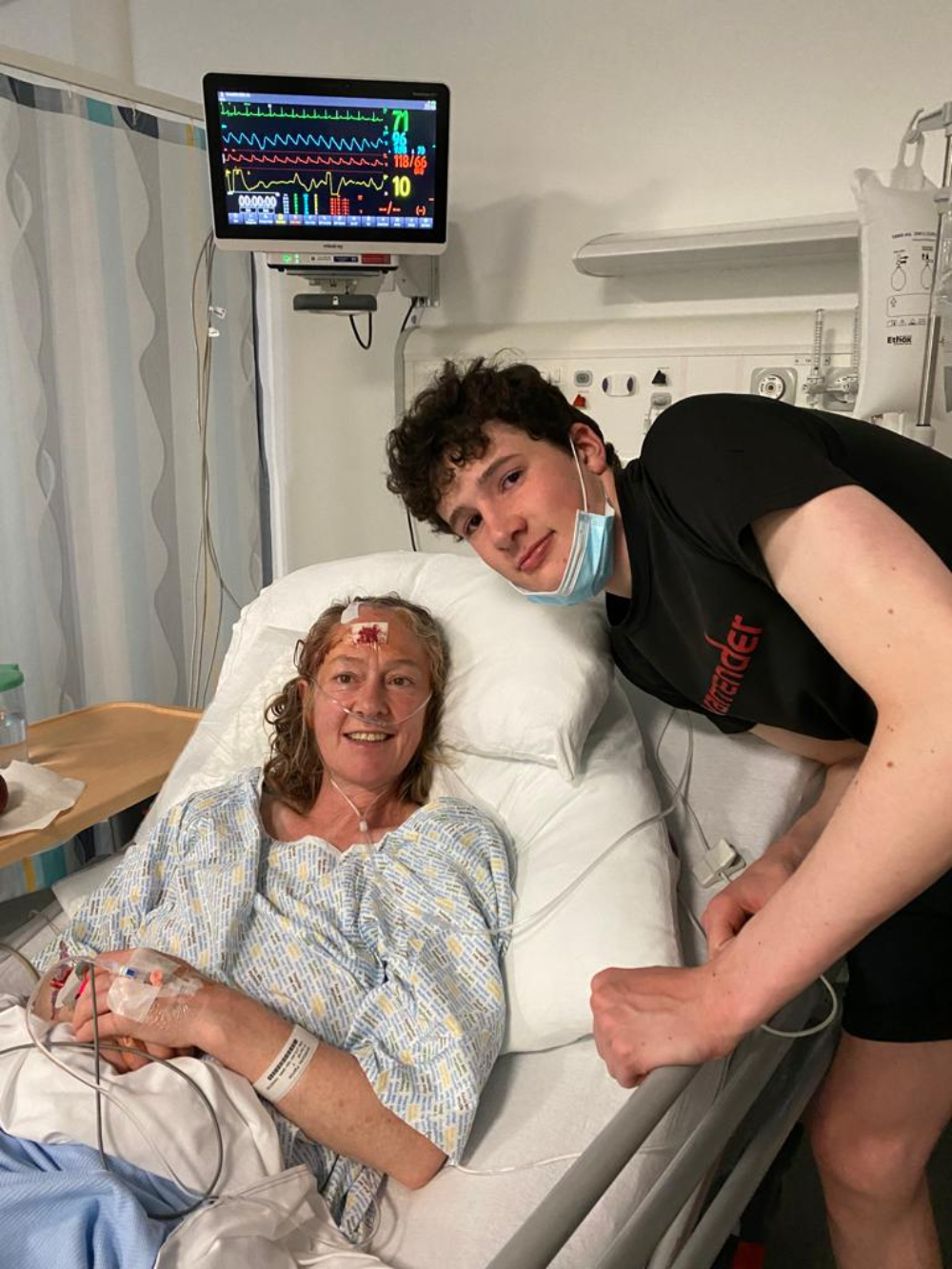
Ms Gordon said she wanted to keep her mind active and regain cognitive function, so she signed up for bridge lessons at the New Melville Bridge club in Edinburgh through the Scottish Bridge Union.
“I quickly became hooked,” she said.
“It took memory, teamwork and a little bit of maths. Each week I felt a little bit sharper and a little bit more like myself again.”
After years of rehabilitation, and countless games of bridge, Ms Gordon returned to medicine in 2020 and currently works as a locum consultant across Fife and the Borders.
Although she faced further setbacks when her tumour returned in 2022, and underwent radiotherapy and chemotherapy treatment in 2024, Ms Gordon said she feels back to full health.
“Every day is a blessing and I still get so much from playing bridge,” Ms Gordon said.
“It is a huge part of my social life and I try to get along to the club as often as I can. I enjoy learning new things – that’s one of the things I love most about bridge.”
She continued: “Bridge gave me a challenge when I needed one most. It played a significant role in helping me get back to work and back to being myself.”
Ms Gordon’s experience is backed up by recent research that found experienced bridge players showed advantages in memory-based tasks and delays age-related cognitive decline.
“When I was diagnosed, my biggest concern wasn’t for me – it was for my son. I wanted to be there to watch him grow up. At the time I didn’t know what the future would look like,” she added.
“More than 10 years later, I’ve outlived the original prognosis I was given, returned to the career I love and had the privilege of watching my son Brodie develop into an elite swimmer with his sights set on the 2028 Olympics in Los Angeles.”