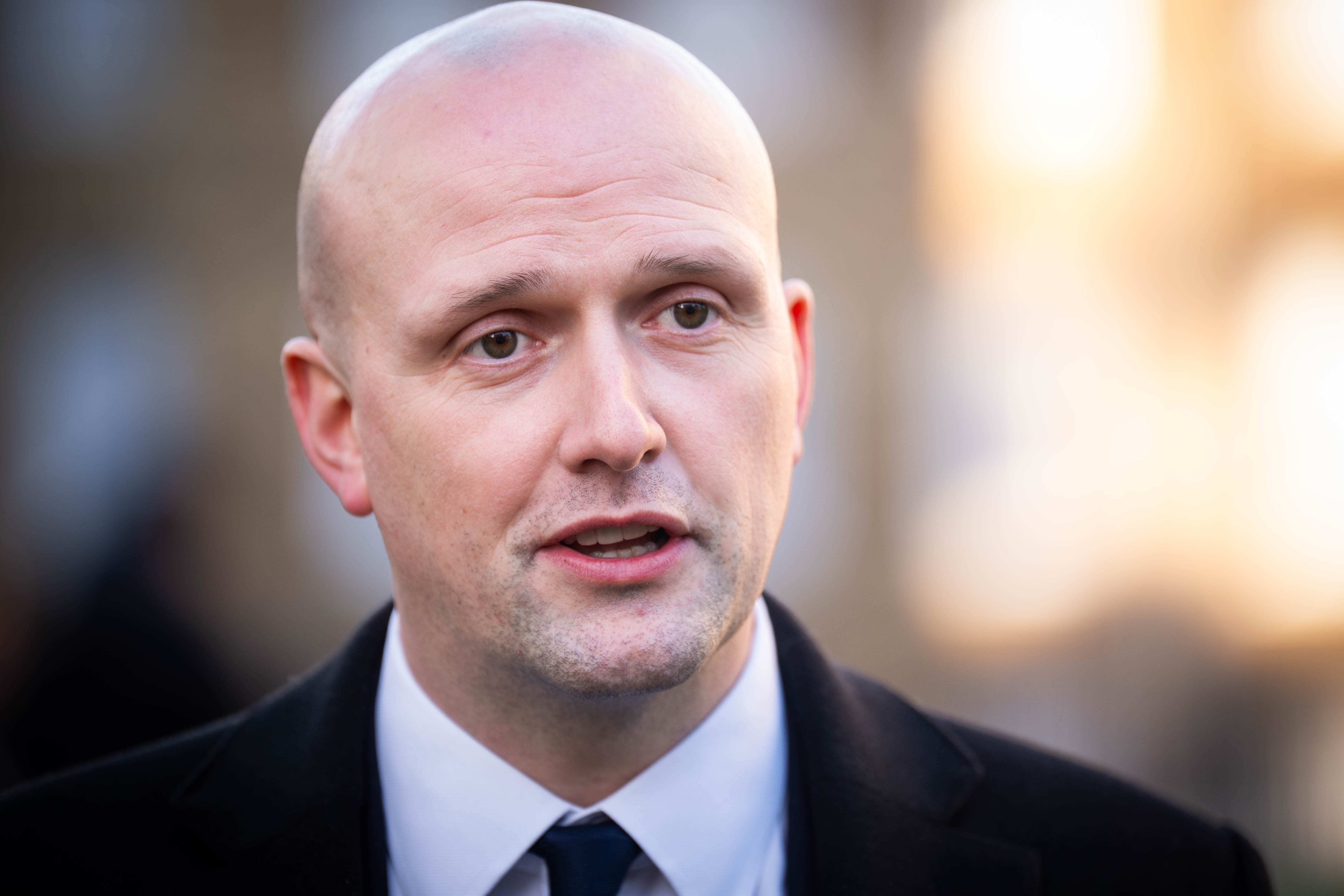
Scottish Economy Secretary Stephen Flynn raised concerns after English whisky was awarded protected geographical indication (GI) status.
The UK Government is being urged to reverse the “wholly unacceptable” decision to give protected status to whisky made in England, with Scotland’s Economy Secretary warning the move could “undermine” the vital Scotch whisky industry.
Stephen Flynn has written to Environment, Food and Rural Affairs Secretary Dame Angela Eagle about the decision to award protected geographical indication (GI) status to English whisky.
It was described as a “major milestone” for the sector – but Mr Flynn warned it could have a “devastating” impact on Scotland’s “iconic whisky industry”.
The Scottish Economy Secretary raised concerns that the process set out for English whisky was different from that for Scotch.
Under the current rules, all stages of Scotch whisky production must take place at a single site – however, this is not mandatory for English single malt, with some steps allowed to take place elsewhere.
Mr Flynn insisted this “undermines the reputation of the term single malt” as he said: “I join Scotland’s whisky industry in opposing this wholly unacceptable decision.”
He said: “The UK Government’s decision risks undermining the integrity of our whisky sector, weakening the internationally-recognised meaning of single malt whisky and compromising our collective efforts to promote robust standards in global markets.
“It also threatens long-standing standards of production and quality which underpin the success of the sector both in Scotland and across the UK.
“The decision to remove the requirement to use copper pot stills for malt whisky raises fundamental questions about the integrity of the whisky being produced.”
Mr Flynn went on to say he was “deeply frustrated” that protected status for English whisky had been granted “outwith the agreed process between our governments for GI applications”.
He said: “I urge the UK Government to reverse this decision, amend the specification so that it does not carry significant risks to the sector and rightly allow the four nations to consider significant amendments before reaching a collective decision.”