Researchers from the University of Glasgow used language clues to find the beds.
Scientists have rediscovered the locations of oyster beds on the west coast of Scotland after analysis of Gaelic and Scots place-names.
The beds near Mull and Islay were found by researchers from the University of Glasgow with support from locals, and the exact locations have been kept quiet in a bid to protect the creatures.
Researchers said the the discoveries highlighted the links between language, traditional knowledge and the natural habitat.
Wildlife experts said the discovery marks an important moment for the nation’s coastline, arguing it can help rebuild oyster populations.
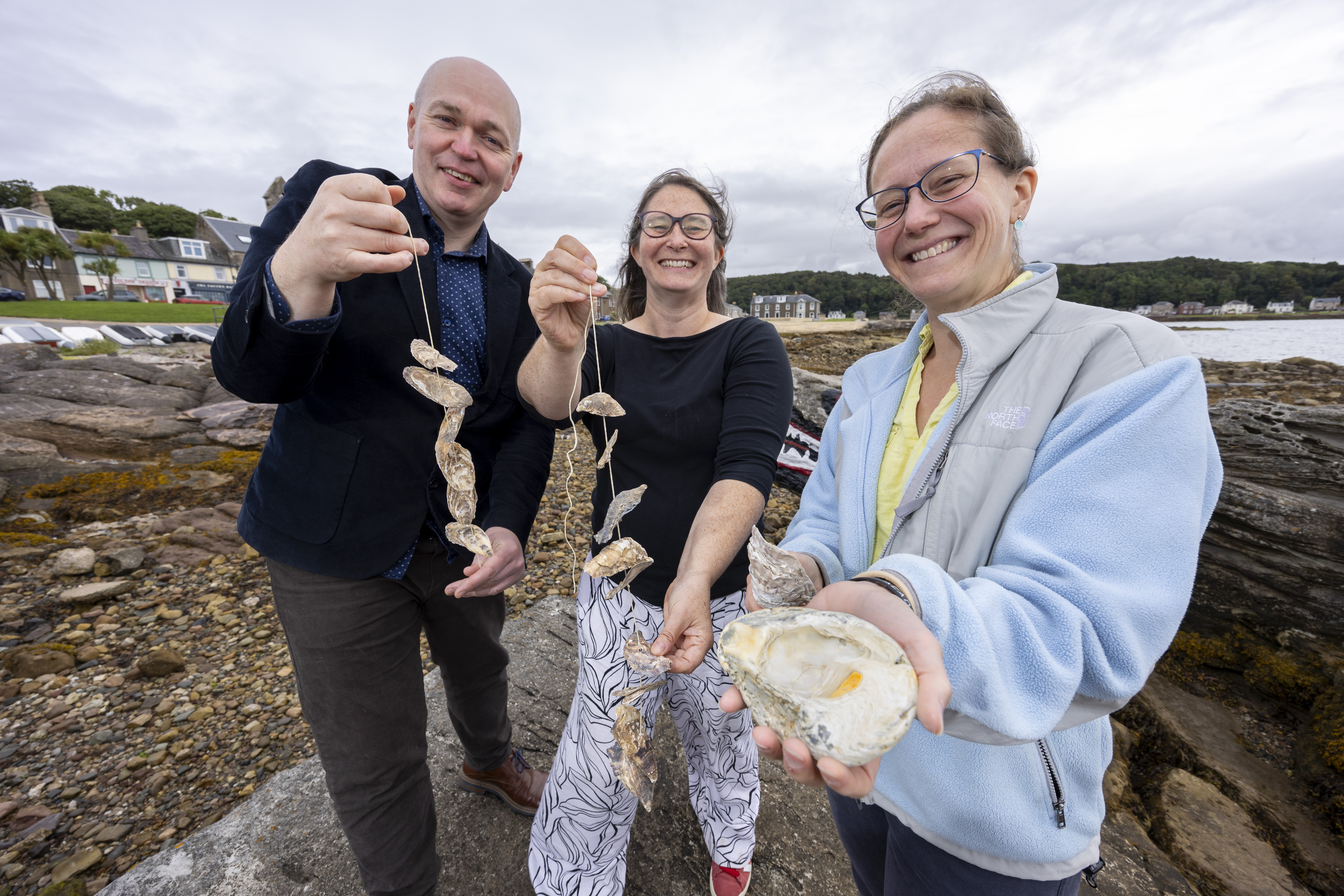
Oysters were previously abundant in Scotland, but their numbers are dwindling due to overharvesting and disease.
The gaelic words for oyster/oysters are “eisir, eisirein and eisirean”, which helped the research team find oyster beds that had not yet been documented.
Dr Anna McGregor, ecologist at the university and Project Eisirean lead, said: “Project Eisirean has been a truly collaborative project that has highlighted the importance of keeping indigenous language and knowledge alive, and the role it can play in helping us to better understand the environment we live in.”
“Finding the oyster beds on the west coast of Scotland has been an exciting time for us all and, working with local communities to engage more with the marine world in their local place and work towards good stewardship of the resources that are left, we hope to ensure these beds remain healthy for years to come.”
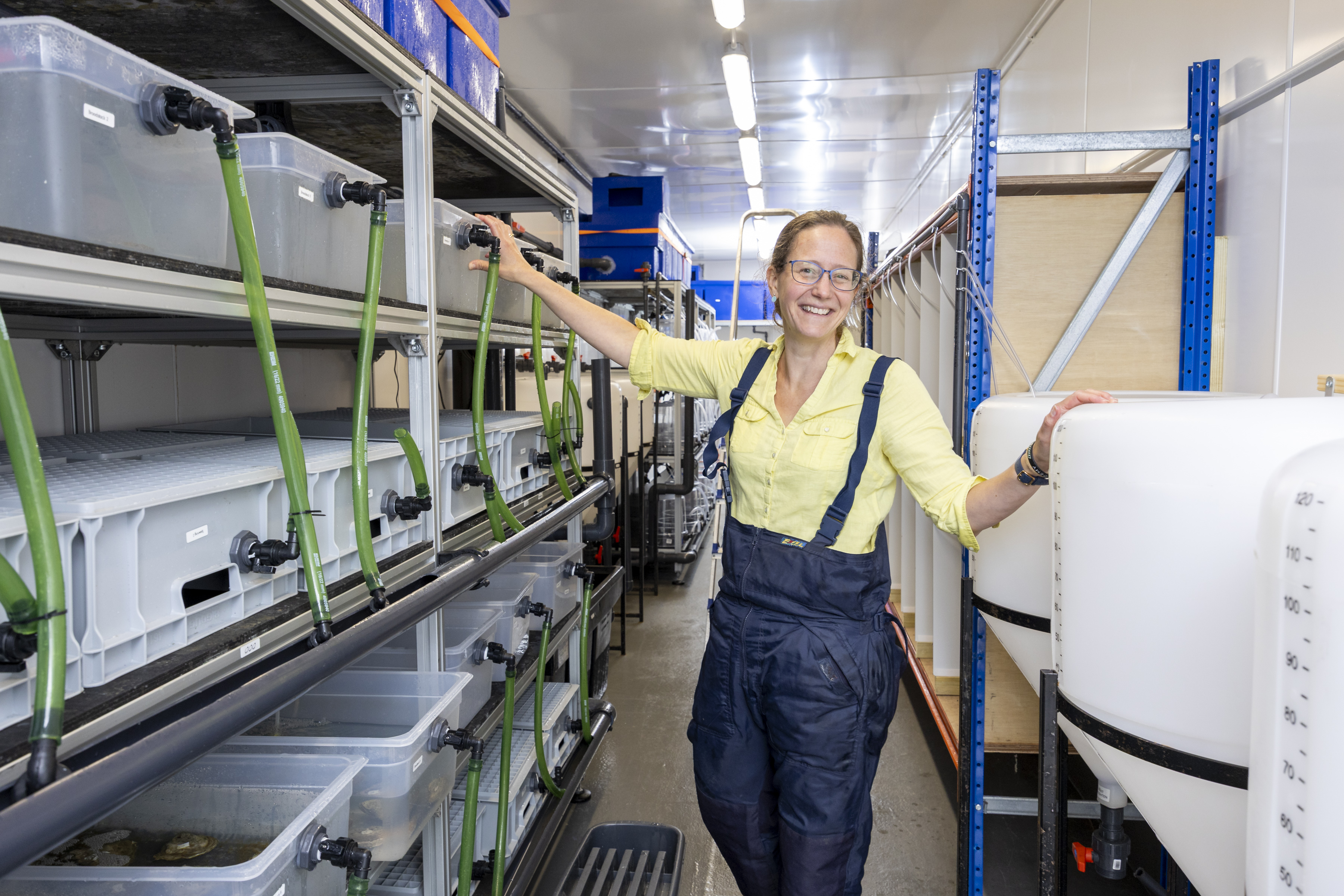
The aims of the project are in line with the strategy of the Native Oyster Restoration Alliance (Nora), which co-ordinates projects across Europe to enhance the restoration of flat oyster reefs, experts said.
Hein Sas, the secretary of Nora, said: “The Eisirean project can serve as an example for other projects on how cultural heritage can help to identify suitable restoration sites.
“Additionally, the involvement of local communities is essential for the acceptance of restoration measures. This surely helps the implementation of the EU nature restoration regulation in various European countries.
“We highly appreciate that Project Eisirean will present its results on the Nora website which serves as the alliance´s hub for knowledge transfer.”
Researchers are to trial a mobile oyster hatchery in order to help rebuild the species’ population in key areas, with the first trial set for Millport and others in future.
The Project Eisirean team commissioned Scottish songwriter Gillebride MacMillan to write a song that recognises the role of oysters in Scotland’s coastal history. It will be performed at the Margrat Duncan competition at the Royal National Mod 2026 in Glasgow.
Fiona Mackenzie, of An Comunn Gaidhealach, organisers of the Royal National Mod, said: “This project is a powerful example of how indigenous languages carry unique wisdom that is essential to our understanding of both heritage and place. Gaelic has an important role to play in protecting our natural world.
“Articulating the enduring relationship between our coastal communities, marine environment and the Gaelic language is incredibly rewarding, and it feels fitting to celebrate this through music.
“It will be a privilege to see this story of ecological and cultural renewal showcased on a national and international stage at the Royal National Mod in Glasgow later this year.”