Other evidence suggests even when patients have high blood pressure in an NHS Health Check in their GP surgery, they are not prescribed drugs.
Only half of people being treated by their GP for high blood pressure have it under control, according to new data for England.
Analysis by Oxford University of 1.4 million adults also found most people across England with the condition are unaware they have it, increasing their risk of stroke, heart attack and early death.
Researchers used data from the Our Future Health programme and calculated that more than one-third of adults in England have high blood pressure, with 59% of these unaware of their condition.
Furthermore, only half of adults with high blood pressure treated by a doctor were adequately controlled, according to the study in the journal BMJ Public Health.
Our Future Health is the UK’s largest health research programme, and experts hope it will lead to new ways to prevent, detect and treat disease.
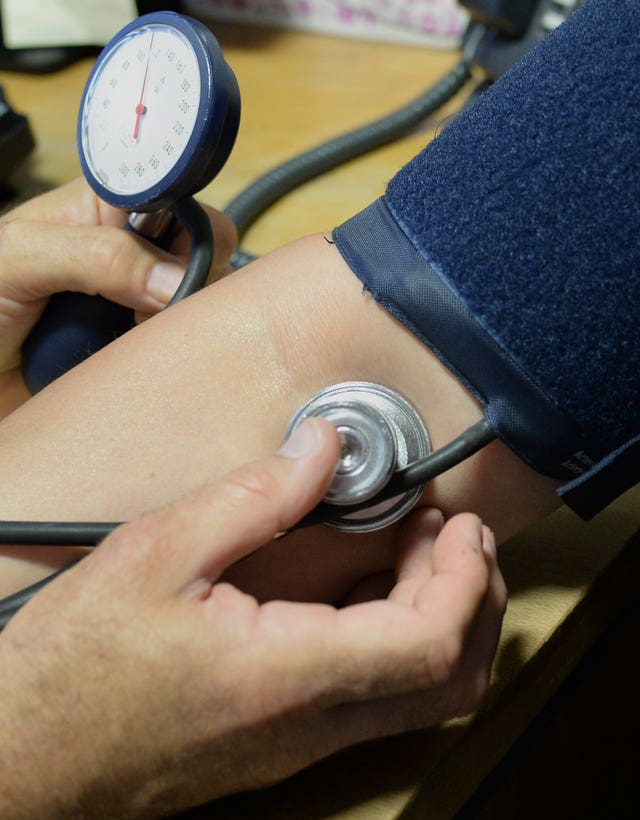
The new study looked at people enrolled between 2022 and 2025 with high blood pressure defined as 140/90 mmHg or higher, or who were on blood pressure-lowering drugs.
The results showed that high blood pressure was almost 50% more common in men than women (42% compared to 29% across all ages), and more common in older people.
The authors said current guidelines from the National Institute for Health and Care Excellence (Nice) mean many people with high blood pressure are never picked up, treated, or go on to have good blood pressure control.
Nice recommends measuring blood pressure for a period of time or at home to confirm diagnosis prior to initiating treatment, “and recommends lifestyle advice before the initiation of treatment”, they said.
The team said: “These requirements may contribute to a ‘leaky cascade of care’, with many cases of hypertension remaining undiagnosed and inadequately treated.
“The workload in primary care focusing on clinical management of established diseases leaves few opportunities for disease prevention.”
Furthermore, other evidence suggests even when patients have high blood pressure in an NHS Health Check in their GP surgery, they are not prescribed drugs, researchers said.
They added: “The 15.3% prevalence of hypertension in those less than 40 years of age is a cause for concern since young adults are ineligible for an NHS Health Check.”
The team said despite substantial improvements in high blood pressure detection and control during the 2000s, progress has plateaued since around 2011, “with indications of worsening trends following the Covid-19 pandemic, possibly because disruptions to healthcare delivery may have had lasting effects.
“Thus, the current hypertension prevalence levels in England are similar to those observed two decades ago.”
Wenyu Liu, medical statistician at Oxford Population Health and lead author of the study, said: “While hypertension is largely a silent killer’, the current approach to detecting and treating high blood pressure is not fit for purpose.”
Iain Turnbull, deputy chief medical officer at Our Future Health, clinical research fellow at Oxford Population Health, and GP, said: “Our Future Health is a valuable resource for research on blood pressure and the findings reflect what we see day to day in general practice.
“Many patients with high blood pressure are undetected or are sub-optimally treated.
“There is a need for a more proactive approach to detection of high blood pressure and to consider initiation of treatment based on predicted risk of cardiovascular disease in addition to levels of blood pressure.”
Professor Bryan Williams, chief scientific and medical officer at the British Heart Foundation, said: “This study paints a concerning picture of the scale of undetected high blood pressure in the UK, and the challenges of keeping blood pressure under control in those already receiving treatment.
“High blood pressure remains the leading modifiable risk factor for cardiovascular disease, linked to around half of heart attacks and strokes in the UK.
“The worrying reality is that millions of people are still living with the condition without knowing it and missing opportunities for early diagnosis and treatment.
“Better detection and treatment could help tens of thousands of people to avoid a preventable heart attack and stroke.
“But to achieve this, we will need to rethink how we identify, treat and support those at risk so that blood pressure checks and effective treatment can benefit everyone.”
More than 11 million people in the UK have been diagnosed with high blood pressure by their GP, according to BHF analysis of NHS data.
A spokesman for Nice said: “The Nice guideline provides a clear blueprint for reducing heart attacks and strokes by improving the detection and treatment of high blood pressure.
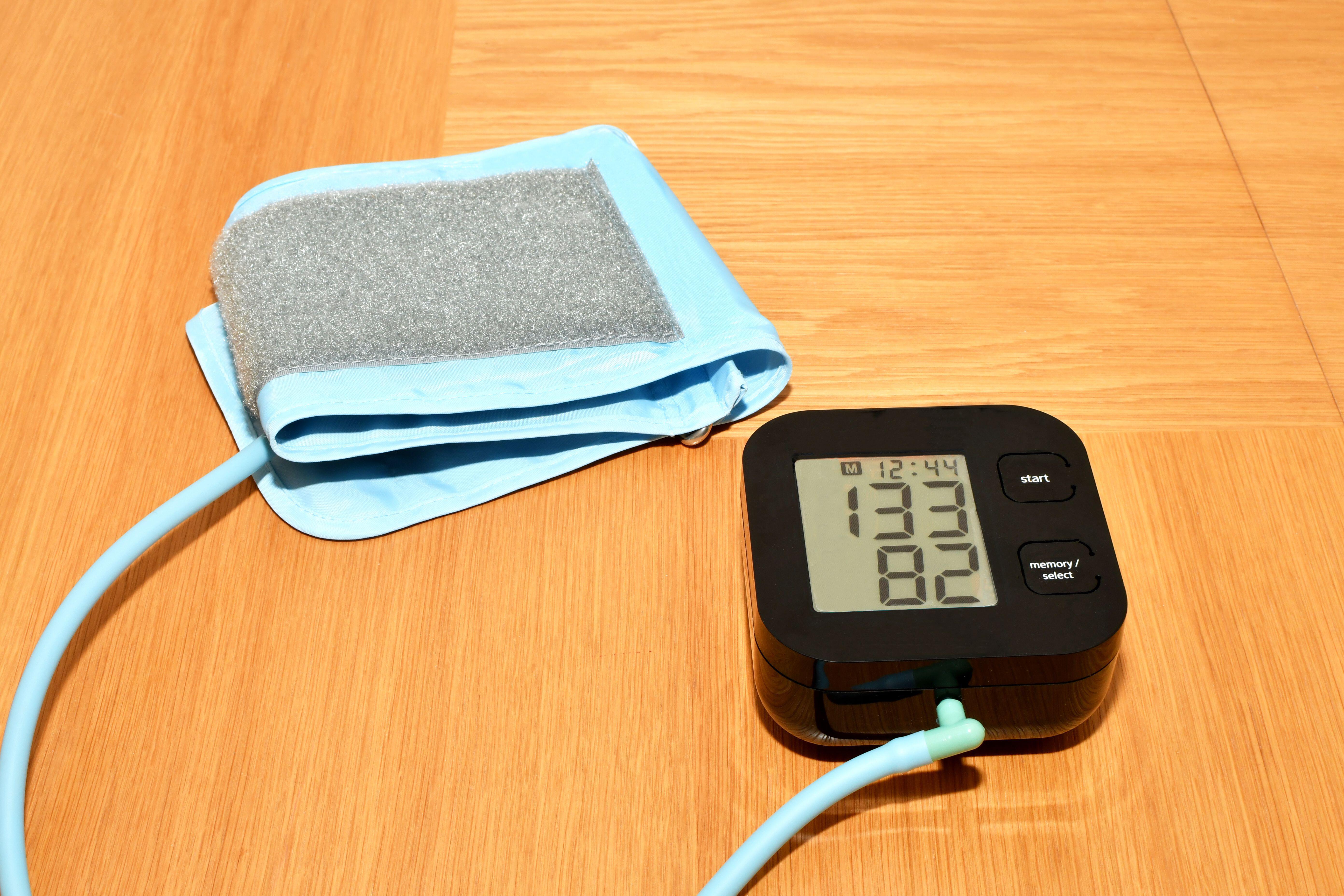
“It recommends confirming raised blood pressure readings taken in a clinic using ambulatory blood pressure monitoring (ABPM) or home blood pressure monitoring (HBPM) before diagnosing hypertension.
“This is in line with European Society of Cardiology guidance and helps ensure people get the right diagnosis and the right treatment.
“One of the guideline’s key messages is that earlier action matters. High blood pressure often causes no symptoms, but over time it can increase the risk of serious conditions such as heart attack and stroke.
“Earlier treatment, alongside lifestyle changes, can help people stay healthier for longer.
“The guideline does not recommend delaying treatment while people try lifestyle changes alone.
“Instead, it supports lifestyle advice alongside medicines where these are needed. It also places greater emphasis on achieving and maintaining blood pressure targets, recognising that many people with hypertension are not currently receiving treatment that brings their blood pressure under control.”
Juliet Bouverie, chief executive of the Stroke Association, said high blood pressure often has no symptoms.
“Someone in the UK has a stroke every five minutes, with around half being due to high blood pressure,” she said.
“Whilst this is concerning, it’s also possible to prevent it.
“Blood pressure checks are easier than ever as they no longer require a GP appointment.
“Pharmacies and many high street chains offer them, and at-home monitors can be purchased for around £20.
“Everyone should check their blood pressure regularly – not just older people.”