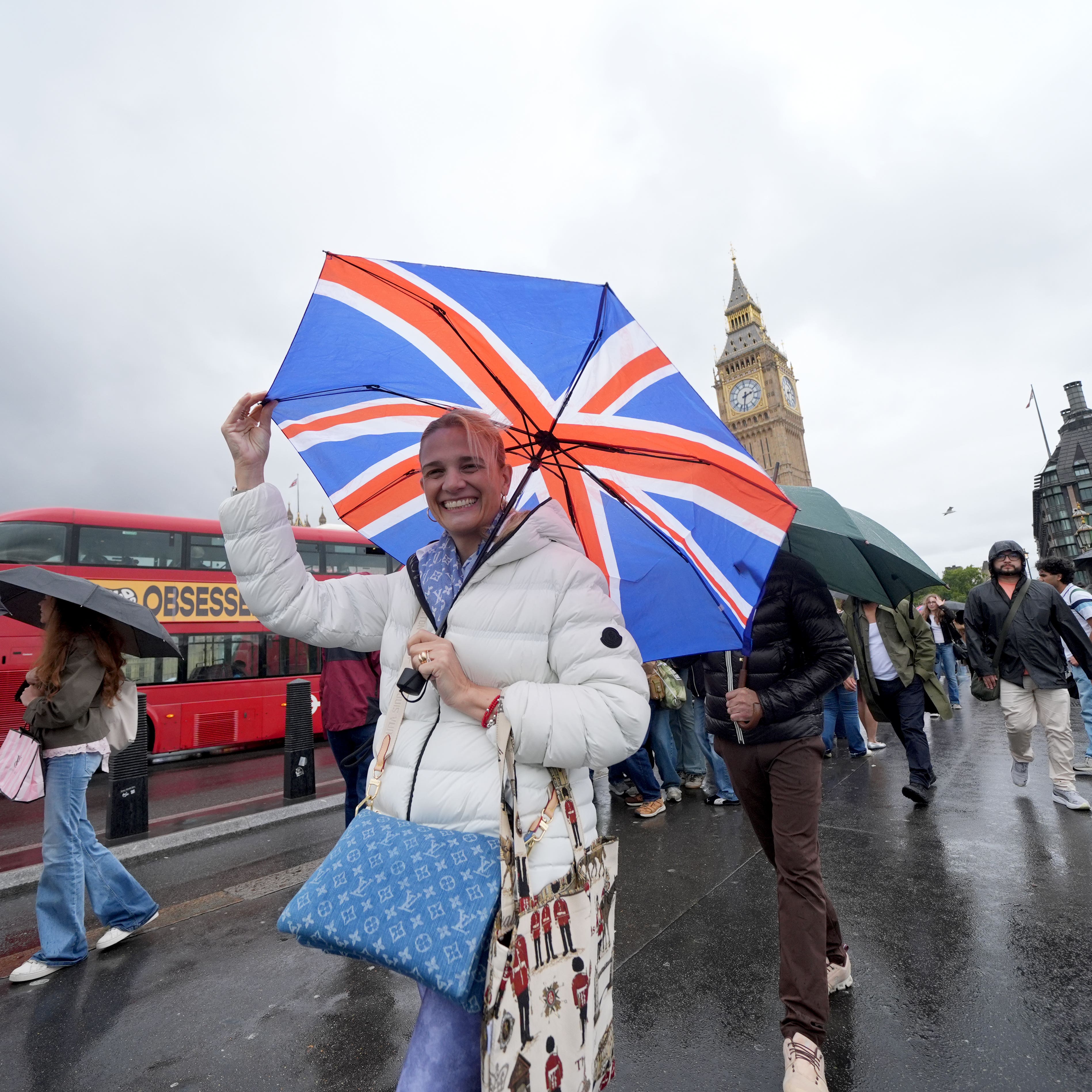
Local leaders will set the fee as a percentage of the cost of accommodation, and then use the cash raised to invest in services.
Holidaymakers across England face a new tax on overnight stays under Government plans to give mayors greater economic power in their regions.
Local leaders will set the fee as a percentage of the cost of accommodation, rather than a flat rate, which ministers argue will protect budget trips.
The levy will have no upper limit, though Government sources said mayors are unlikely to make it too expensive, with most indicating it would be a few per cent.
Hotel and tourism firms have warned the uncapped proposals will be “hugely damaging” and hit British holidaymakers hard, but ministers say the policy will help local leaders boost investment in their areas.
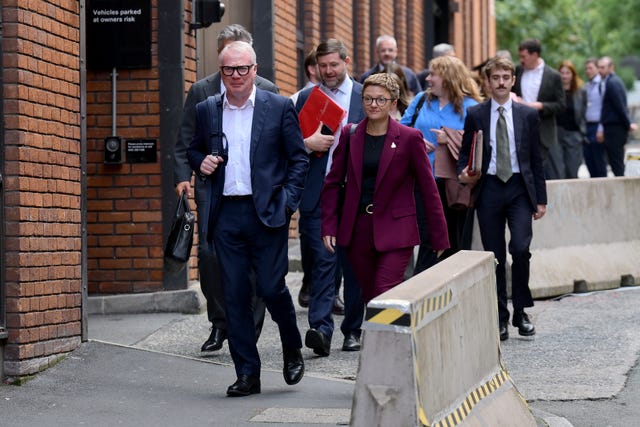
Mayors will decide how to spend the revenue raised from the fee, which will apply to overseas tourists and Britons on so-called “staycations”, rather than money being funnelled back into the Treasury.
Plans for the tax were first announced under Sir Keir Starmer following similar schemes introduced by the devolved administrations in Scotland and Wales.
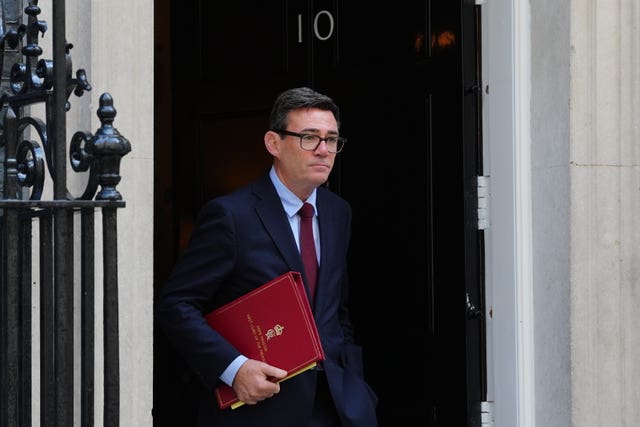
Prime Minister Andy Burnham has reiterated his commitment to the scheme, framing it as part of his wider devolution agenda aimed at pushing power out of Whitehall.
Regional mayors met in No 10 North on Thursday to discuss the plans with Local Government Secretary Angela Rayner, who is understood to have attended virtually due to other diary commitments in the capital.
Charges of a similar nature already exist across Europe, with the revenue used to fund local services.
Local leaders would decide how to invest the money raised from the levy if they choose to introduce one.
Downing Street defended the plans on Thursday amid questions over its impact on cash-strapped households struggling to afford a holiday and businesses during low season.
No 10 insisted the “overwhelming majority” of hospitality firms would not be “directly affected” by the policy because the charge only applies to overnight accommodation and would be at the discretion of local leaders.
In a written ministerial statement, devolution minister Jim McMahon said: “A visitor levy will enable mayors and other local leaders in England to choose to use a proportionate contribution from visitors to the region to reinvest in the local area.
“It is a major step in giving local leaders greater control over the decisions and funding that affect their areas, putting new powers over locally raised revenue into their hands for the first time in decade.”
In London, officials are yet to make a decision on how the scheme will work, but it is understood the charge will be no higher than 5%.
Industry chiefs said they believe the plans could cost the UK hospitality and tourism sector as a whole as much as £1.6 billion.
Jon Hendry Pickup, chief executive of Butlin’s, said: “Big cities may welcome these mayoral powers, but treating every destination and hospitality business the same will leave resorts like ours to shoulder the burden.
“Giving mayors the power to impose a levy without a national upper limit takes those concerns to another level and risks making family holidays less affordable, damaging demand and making it harder for businesses to hire young people.”
Allen Simpson, chief executive of UK Hospitality, warned a similar levy introduced in Edinburgh in July was “already having damaging effects”, and said jobs could be at risk in communities that rely on tourism and hospitality.
“I would say to those people in these communities that their jobs are now at risk,” Mr Simpson told BBC Radio 4’s Today programme.
“It will be the case that you’ll have holiday parks which can’t open in the shoulder seasons and of course people who go on holiday will just have that little bit less money in their pocket.”
Andrew Griffith, the shadow chancellor, said: “An unlimited tourist tax would be hugely limiting for the chances of the young people who might otherwise be employed in tourism and hospitality.
“Propping up dodgy town hall finances on the back of even higher youth unemployment would be utterly wrong.”