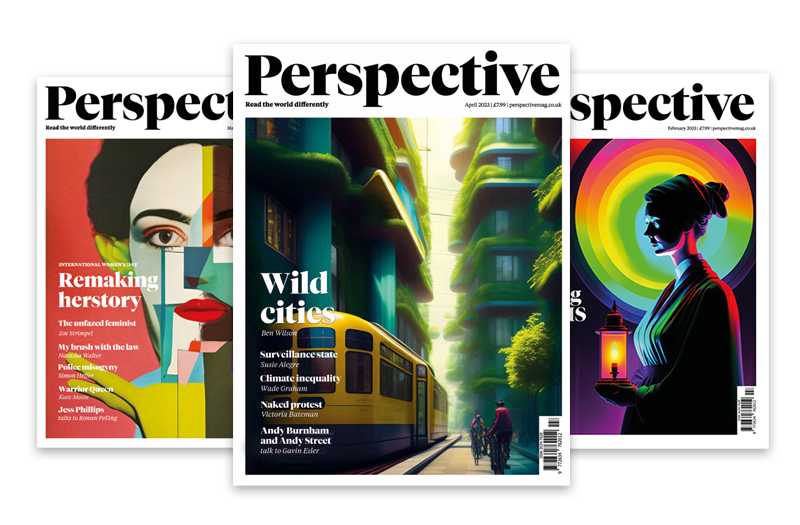
We knew this issue would land on doorsteps when the UK’s election results were already fading into history. We also suspected many readers would be suffering from current affairs fatigue and longing for escapism. So, how better to evade the here and now than by diving into the past: that great reservoir of human achievement and turmoil, which may offer insights as we attempt to navigate the present.
As the calendar tipped into the 2020s, some predicted a “roaring” decade like the notorious one a century before, which saw “bright young things” blazing a hedonistic trail across London clubs, fuelled by booze, drugs, sex and jazz. But the covid pandemic and other global woes turned the roar into a persistent cough – or sigh. As Michael Janofsky reminds us in his regular column, if people do find the energy to roar, it tends to be at one another. That’s why I asked Lucy Moore, witty historian of the 1920s, to explore whether Generation Y are too freighted with worries to be properly hedonistic.
It’s also exactly a century since Paris last hosted the Olympic Games. The sporting flame is returning to a nation that’s just gone through a battle for its heart and soul, while the Olympics itself is tarnished historically by corruption scandals. But Boris Starling believes that athletic achievement has ramifications far beyond the stadium. Winners can lift morale, effect change and be a force for moral good. We also turn to Paris for Antony Beevor’s reflections on the city’s liberation from German occupation, 80 years ago this August: an event which gave political, philosophical and romantic freedom to the city’s intellectuals. Over the Channel in London, Lady Ottoline Morrell enjoyed much the same pleasures as one of the nation’s most celebrated hostesses; Miranda Seymour celebrates her remarkable life in Reputations.
Still looking at the UK, Gavin Esler interviews the author and broadcaster Sathnam Sanghera on how the British Empire shaped our nation (earlier in the magazine Esler issues his own wry warning on the perils of nostalgia). But if you want some succinct, powerfully insightful lessons from history, then I suggest you turn to the ten short pieces that kick-start our exploration of the past. I particularly enjoyed Ian Hislop reminding his mother-in-law, who was feeling troubled about the current state of the world, that she probably weathered worse storms in the late 1930s. As Hislop says, “Sometimes history can be reassuring, even in a grim way.”
Rowan Pelling, Editor