22 Parkside has been credited with inspiring the Centre Pompidou in Paris and helping shape the design of the Lloyd’s building in London.
Richard Rogers’s Wimbledon home that inspired the Centre Pompidou and Lloyd’s of London has been given to the National Trust.
Described by the trust as a “landmark example of 20th-century design” and “one of the most significant homes in British architectural history”, 22 Parkside was designed by Rogers and his wife Su Rogers, also an architect.
Built from 1968 to 1970, it has now passed from private ownership to the heritage and nature conservation charity, which has said it will “protect one of the UK’s most important examples of modern architecture for future generations”.
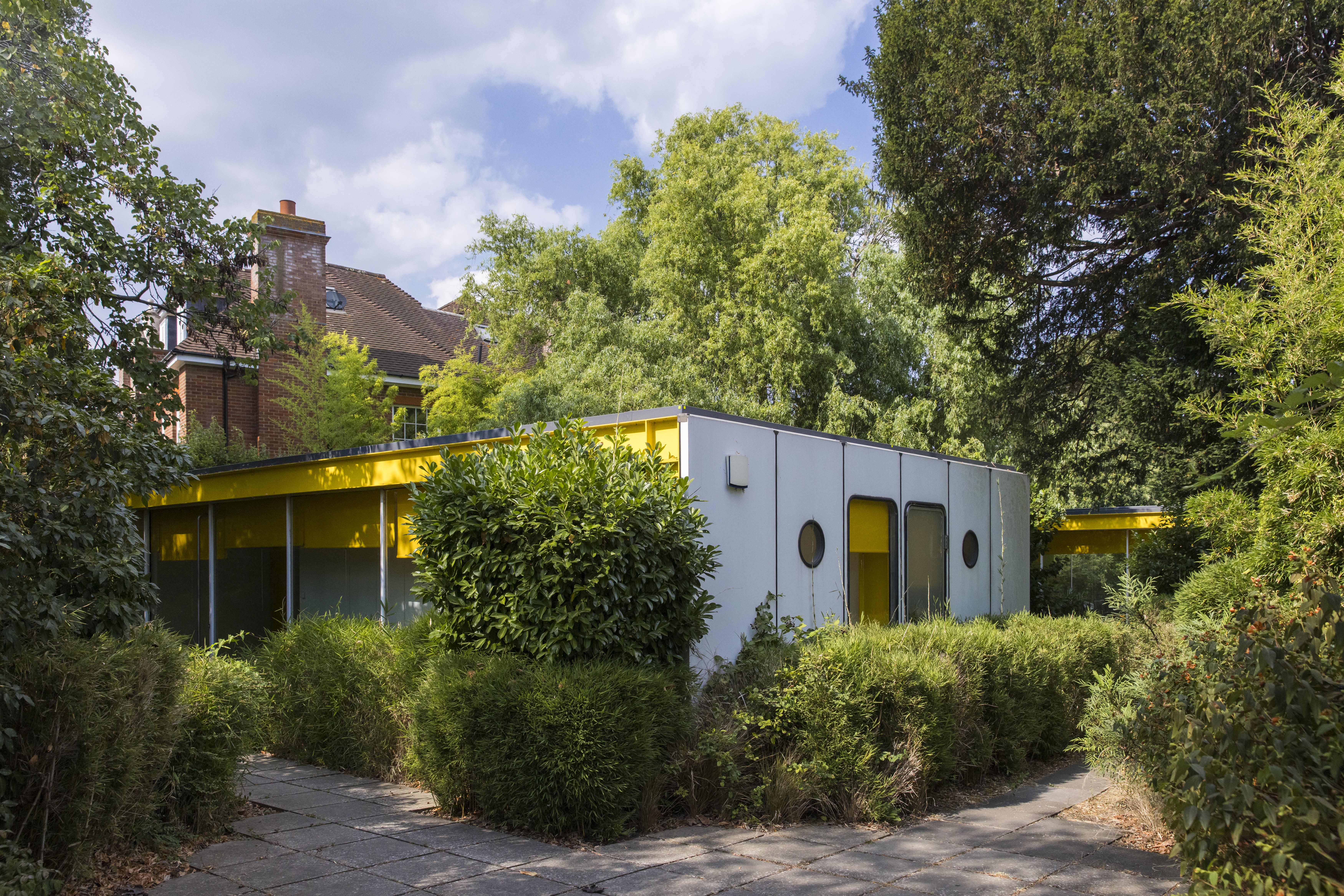
The home was built by the Rogers for his parents, Nino and Dada Rogers.
It has been credited with inspiring the Centre Pompidou in Paris and helping shape the design of the Lloyd’s building in London.
Ben Rogers, the son of Richard and Su Rogers, said: “22 Parkside is much more than a family home. It is one of the most important buildings my father and mother created – a place where many of the ideas that would go on to influence my father’s work and some of the world’s most celebrated architecture were first tested and explored.
“As a family, we wanted to ensure that this remarkable house would be protected, cared for and shared with future generations, rather than remaining a private asset. The National Trust brings the expertise, public purpose and long-term commitment needed to safeguard its future, while opening up its story to students, researchers and visitors.”
Ruthie Rogers, who was married to Rogers from 1973 until his death aged 88 in 2021, said her late husband “regarded public access to culture – whether architecture, art, theatre, music, or design – as one of the great aspirations in life”.
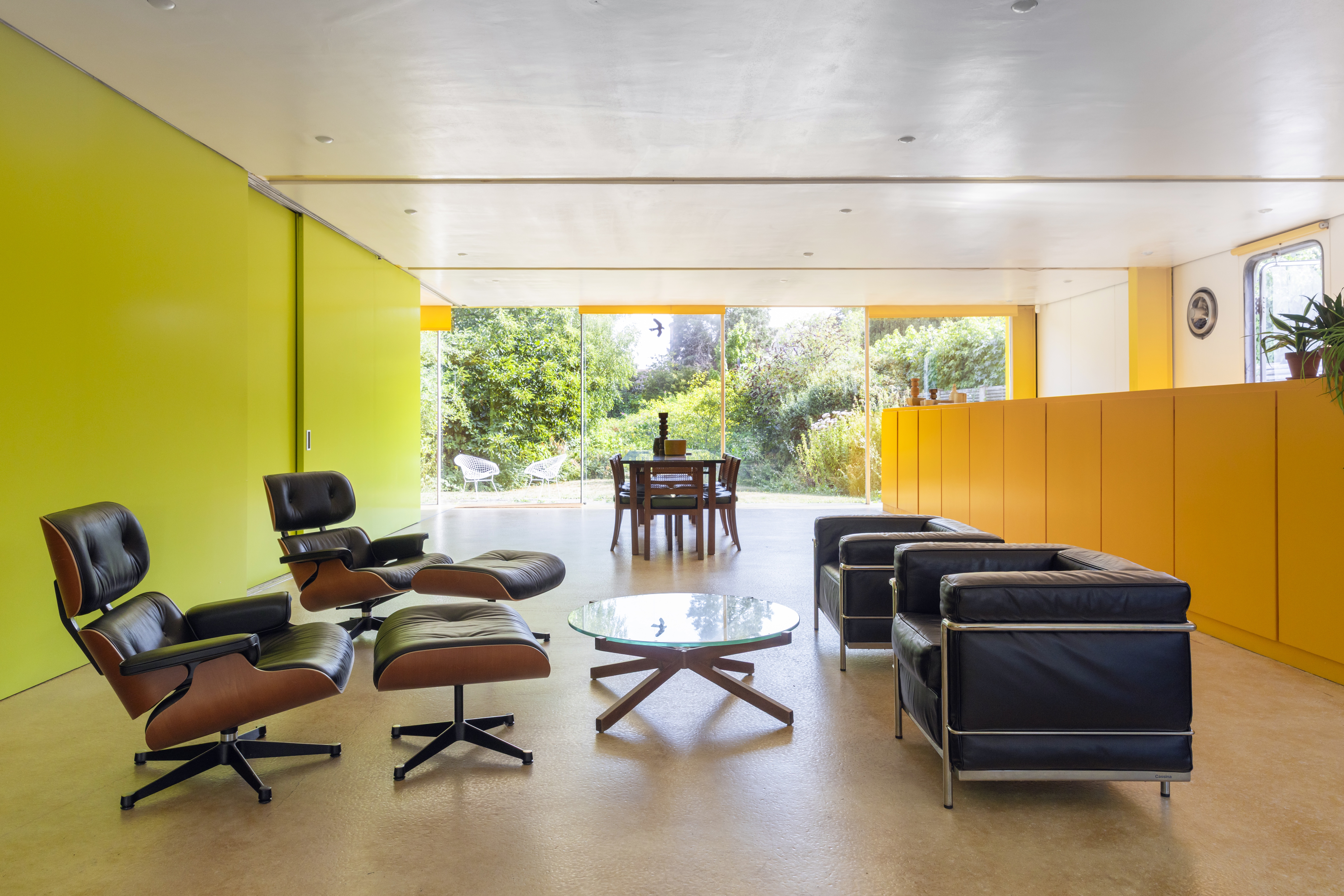
She said: “It filled him with such joy that the public would have access to this house that was once private, a house that was a prototype for what he thought houses could be for all.”
National Trust director-general Hilary McGrady said: “We are profoundly grateful to the Rogers family for placing this extraordinary house in our care. Their generosity means that 22 Parkside will now become part of our shared inheritance, belonging not to a single family but to the people of England, Wales and Northern Ireland.
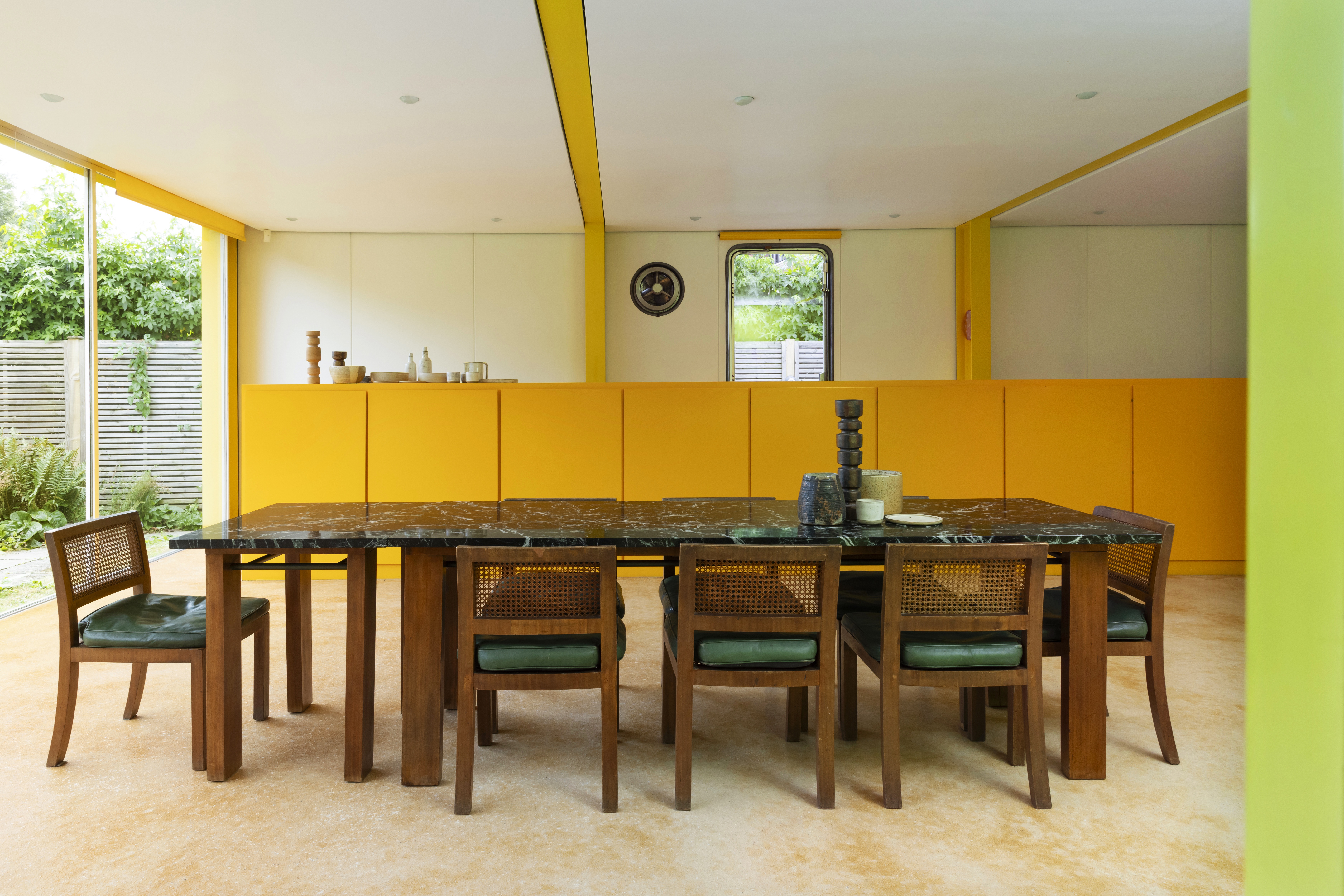
“This extraordinary gift will ensure that a building where world-changing ideas were born continues to inspire new generations of thinkers, makers and creators.”
The charity plans to host guided visits, educational partnerships and interactive, digital content at the house, with the aim it “becomes a creative and educational resource for schools, universities and other heritage organisations around the world”.
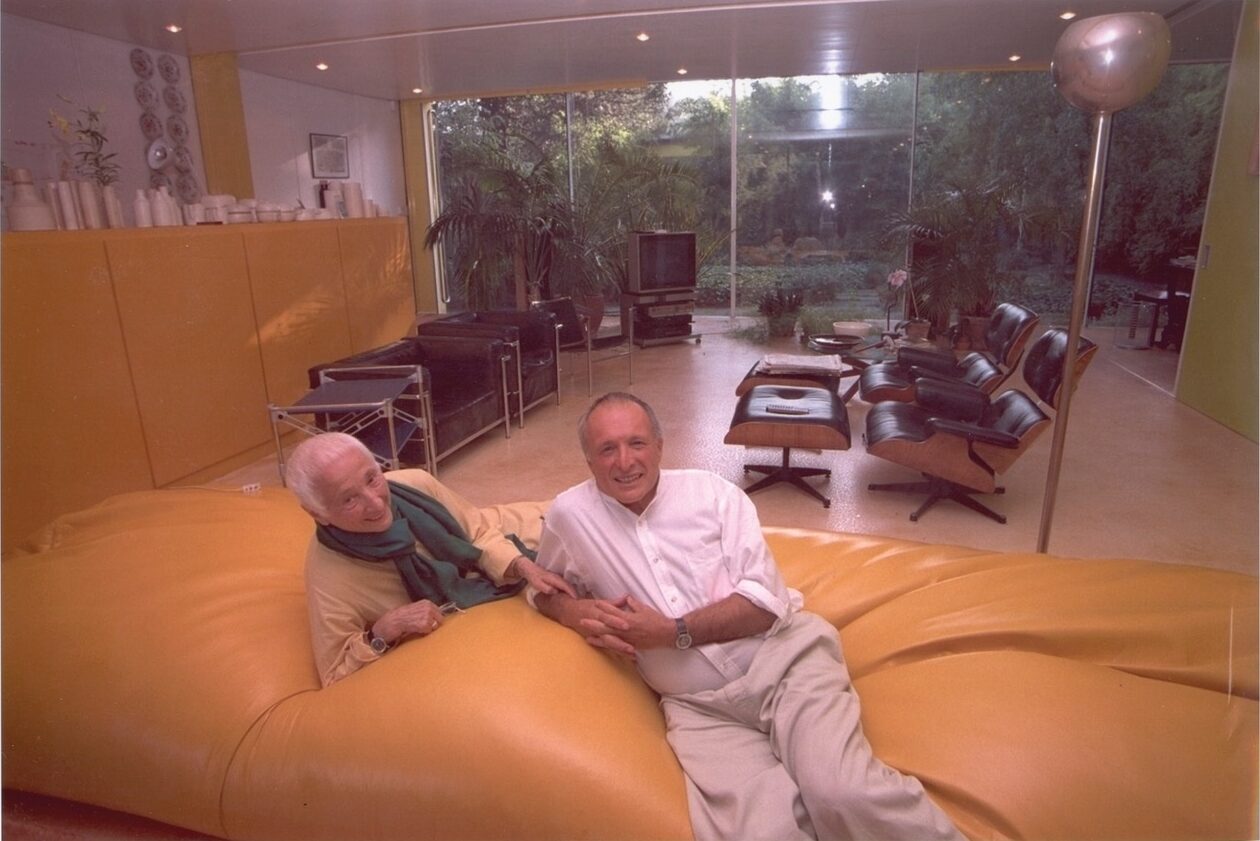
This Saturday, 22 Parkside will open to the public as part of London’s Open House festival.
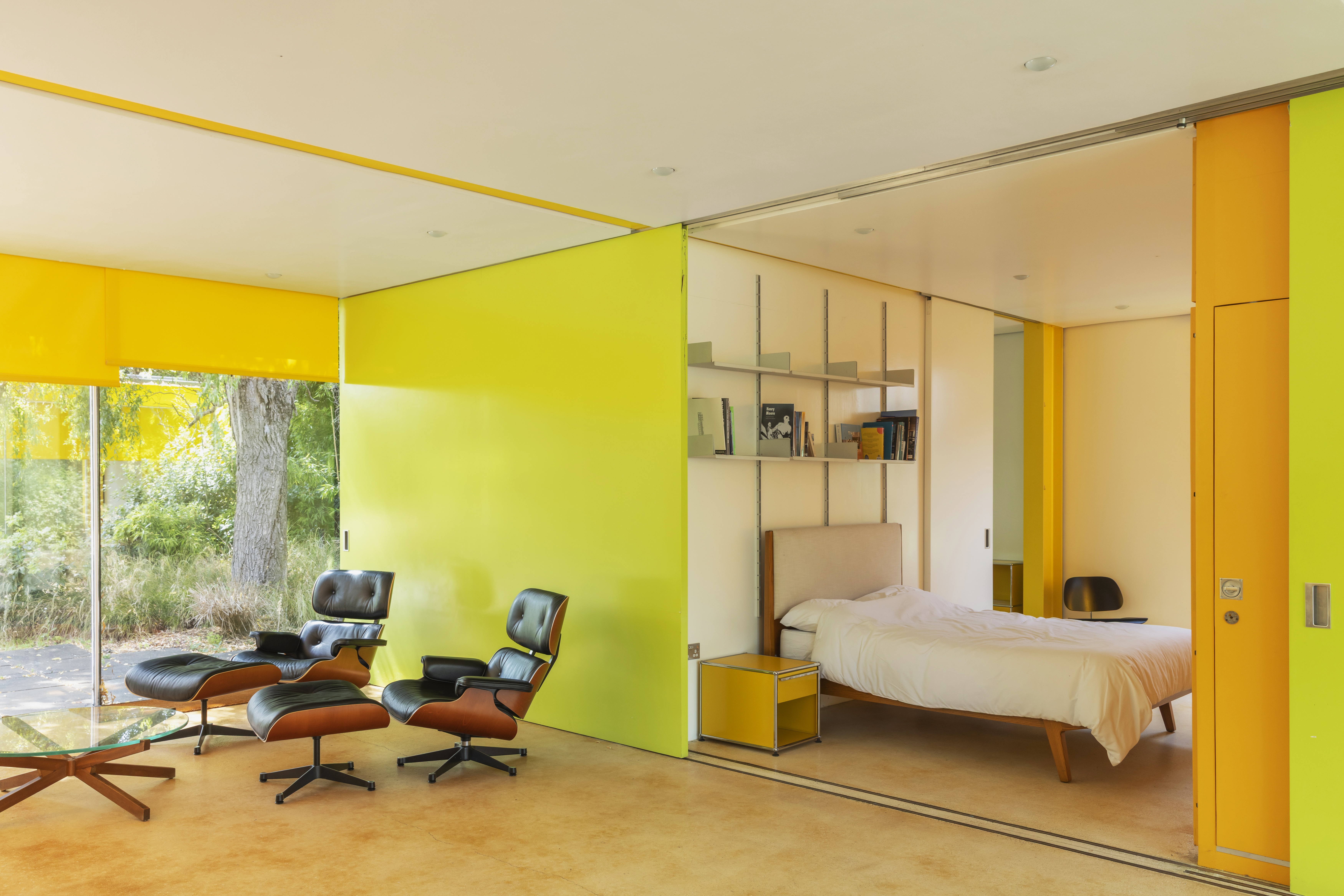
Set within a narrow-wooded plot beside Wimbledon Common in south-west London, the property used a pioneering approach to flexible living, light-filled interiors and modern construction.
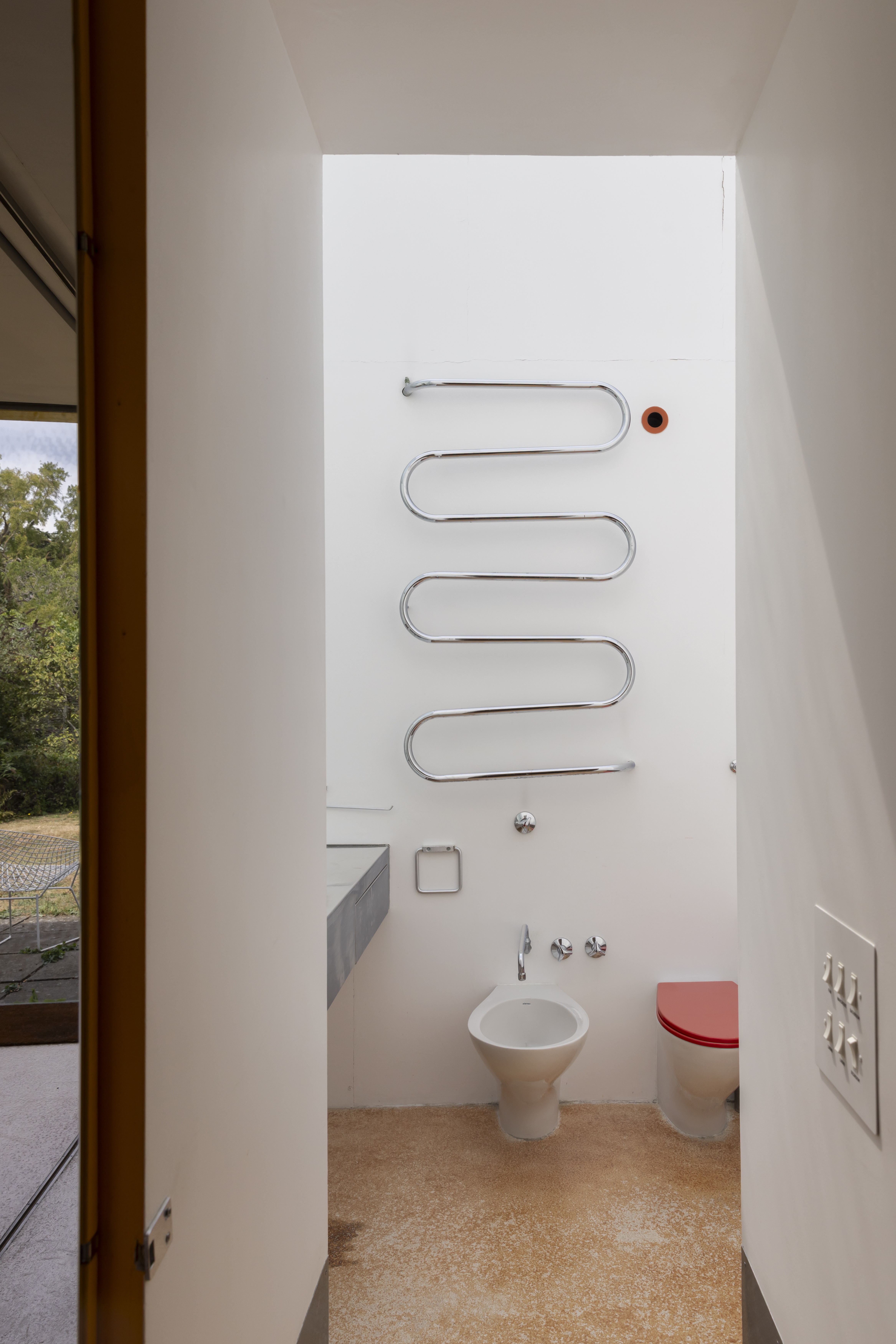
The house and studio were designed as separate single-storey pavilions around a central courtyard, which created privacy whilst also maintaining a connection to the surrounding garden and utilising natural light.
Awarded Grade II* listed status in 2013, it is also sometimes known as the Rogers House or Wimbledon House.
Rogers was also known for other major works including the Channel 4 Building in Westminster, the law courts in Strasbourg, Bordeaux and Antwerp, the National Assembly of Wales in Cardiff, the Barajas Airport in Madrid and Terminal 5 at Heathrow Airport.