The former Labour prime minister launched a scathing attack on Sir Keir and his Government earlier this week.
Sir Keir Starmer rejected Sir Tony Blair’s criticism of his policies, saying he had been “vindicated” by their results.
The former Labour prime minister launched a scathing attack on his successor earlier this week, accusing Sir Keir’s Government of lacking a “coherent plan” and holding back business.
But speaking to reporters on Friday, Sir Keir said he did not “agree with much” of Sir Tony’s comments.

During a visit to a train depot in west London, he said: “We can all argue about individual policies, but the real question is what’s the change, what’s the difference that is happening in a country that we inherited two years ago in a very poor place.”
Sir Keir pointed to his policies on economic growth and investment in public services, as well as falling NHS waiting lists and immigration levels and rebuilding relations with the EU as examples of his Government’s achievements.
He said he agreed with Sir Tony that it was “right to talk about policy, it’s right to talk about ideas”.
But he added: “I don’t agree that the policy choices of this Government weren’t the right policy choices given what we inherited – a very different situation in 2024 to 1997.
“And dealing with what we had to turn around, the policy choices, we’re vindicated by them because those changes have happened.”
In his 5,700-word essay, Sir Tony criticised Labour’s flagship workers’ rights legislation and above-inflation uplift to the minimum wage, while calling for the party to abandon its net zero targets, cut welfare and rethink the pensions triple lock.
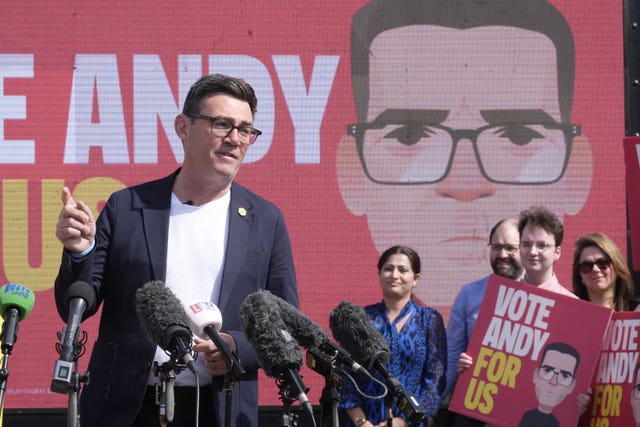
Sir Tony’s essay has drawn criticism from within Labour circles, including from Sir Keir’s potential leadership challengers Andy Burnham and Wes Streeting.
Mr Burnham, who is widely expected to launch a bid for the top job if he wins next month’s Makerfield by-election, criticised the essay for not mentioning inequality.
The Greater Manchester mayor, who served in Sir Tony’s government, said the problem with Blairism was it “sometimes saw the market as always the answer”.
Mr Streeting took a similar view, with the Labour former minister arguing the “striking weakness at the heart of” the intervention was the lack of mention of inequality.