Some 1,017 wildfires have been recorded in England and Wales this year, the same as 2025’s record-breaking total.
England and Wales have been struck as many wildfires in 2026 so far as there were in the whole of last year, new figures have revealed, as the Prime Minister is set to convene an emergency meeting about the extreme weather facing the country.
Some 1,017 wildfires have been recorded in England and Wales this year, according to data shared by the National Fire Chiefs Council (NFCC), the same as last year’s record-breaking total.
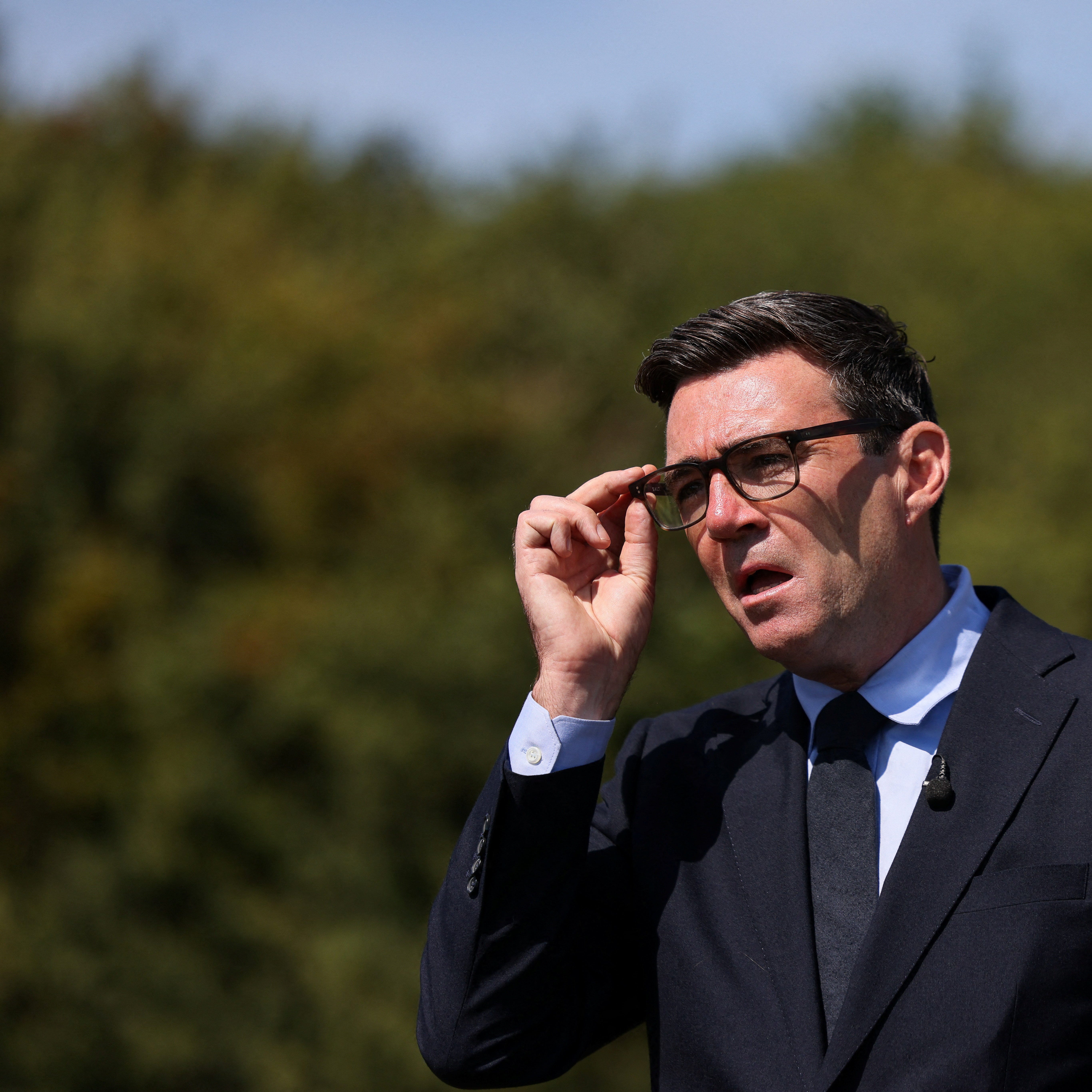
The figures come as Andy Burnham is set to chair an emergency Cobra committee later on Wednesday in response to a prolonged spell of exceptionally hot and dry weather.
The Prime Minister said on Wednesday he will consider imposing a ban on disposable barbecues amid the risk of further wildfires.
According to NFCC data shared with the Press Association, this year’s figures have also surpassed the number of wildfires over the same period in 2025.
Between January 1 and August 12 last year, 869 wildfires had been recorded, in what was then the worst year on record.
Over the same period in 2022, also one of the worst years for wildfires, the figure was 843.
NFCC chairman Phil Garrigan told PA: “Most wildfires in the UK are caused because of human behaviours, careless, accidental or unfortunately intentional acts.
“But as climate change brings more frequent periods of hot, dry weather, the conditions for wildfires are becoming more dangerous, increasing their scale and intensity.
“Hot, dry weather and drought are turning parts of the UK into tinderbox landscapes, allowing fires to spread faster, burn longer and place greater pressure on fire and rescue services.
“Wildfires are becoming part of our new reality and we need to be honest about both the causes and the conditions that are driving them.
“While over 1,000 wildfires have been recorded so far this year, the incident numbers alone do not tell the full story.
“They do not capture the scale, duration and complexity of these incidents, or the impact they have on communities, the environment and fire and rescue services.
“As their impact grows, we must work with all stakeholders to ensure we have the right capabilities needed to protect our communities and to respond effectively when wildfires occur.”