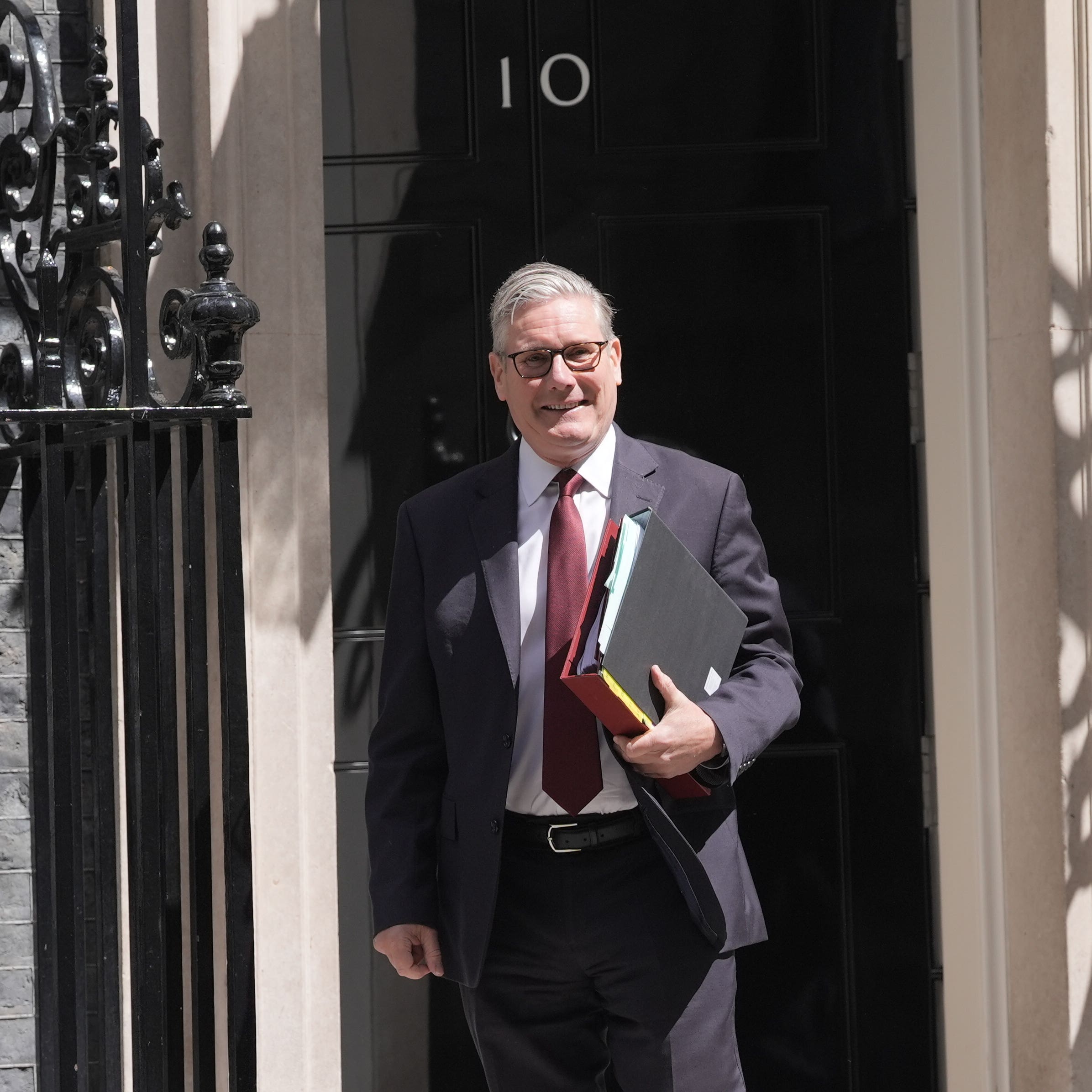
A campaign is calling for Enhertu to be made available on the NHS.
Thousands of breast cancer patients in England have missed out on more time with their loved ones as the life-extending drug Enhertu remains unavailable on the NHS, campaigners have said.
Some women are exhausting their savings to have the treatment privately, while others have considered uprooting their lives and moving to Scotland, where patients can get it for free on the health service.
Charities Breast Cancer Now, METUPUK and Make2ndsCount are urging the NHS, the National Institute for Health and Care Excellence (Nice) and the drug’s manufacturers to work together to make the drug available in England.
Its new campaign, Enhertu Now, follows changes to NHS drug spending thresholds.
Enhertu is the first licensed targeted treatment for patients with HER2-low breast cancer that cannot be removed surgically or that has spread to other parts of the body, also known as metastatic breast cancer.
“To be told you have cancer at any age is devastating. But when you’re 33 with a chunk of life left to live (including a wedding to plan!), it’s crushing.” – Danielle
Get to know your normal by checking your breasts regularly.https://t.co/3DwuWnMUjZ pic.twitter.com/s1Ho4x4Kqb
— Breast Cancer Now (@BreastCancerNow) January 7, 2026
Nice initially said it would not recommend the drug for use on the NHS in England in September 2023, calling for more details from manufacturers AstraZeneca and Daiichi Sankyo.
Two months later, it was given the green light in Scotland, with Nice also pausing its appraisal to allow more time for price discussions.
Talks ended with no agreement for the first time in March 2024, and in May of that year Nice once again paused the publication of its final guidance to allow for more negotiations.
They broke down again that summer before reopening, but ended for a third time in November 2024 with no agreement in place.
Had it been approved, about 1,000 patients a year would have been eligible for Enhertu.
Claire Rowney, chief executive of Breast Cancer Now, which has been campaigning against the Nice decision for two years, said: “We’re here, once again, asking for Enhertu to be made available for those who need it, and we urgently need to see this happen, now.
“The tragic reality is that a number of the incredible women who campaigned with us back in 2024 for this treatment to be made available on the NHS back have since died, denied the chance to benefit from this drug and live longer.
“While it’s sadly too late for them, a solution must be reached urgently so history doesn’t repeat itself for the women who need access to Enhertu now.
“We’ve spoken to women who’ve exhausted every treatment option available to them while knowing that Enhertu could’ve given them more time; time to see their children grow up, celebrate another birthday, and make precious memories with loved ones.
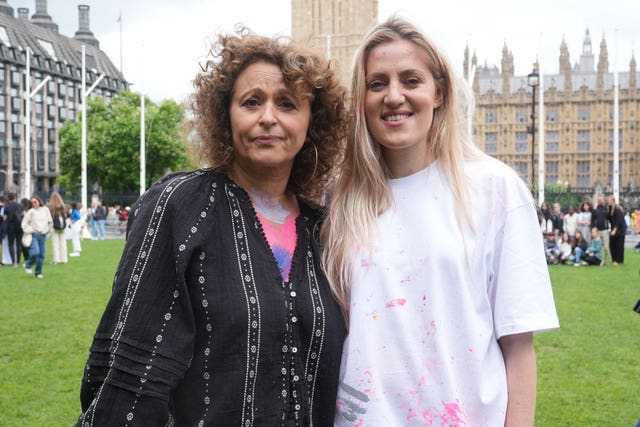
“Some have spent their savings trying to access Enhertu privately. Others have considered uprooting their lives, leaving their homes and families behind to move to Scotland where the drug is available.”
In April, changes to how treatments are evaluated by Nice led to the NHS rollout of two new cancer medicines; brain cancer drug vorasidenib, and ripretinib, for patients with a rare form of stomach cancer.
It followed the Government’s decision to increase the thresholds that Nice uses in technology appraisals to £25,000-£35,000 per quality-adjusted life year gained.
Following the change, talks between Nice, NHS England and Enhertu’s manufacturers have resumed in the hopes of striking a commercial agreement that would make the drug cost-effective.
Breast Cancer Now welcomed the move on pricing thresholds, but called for urgent action on Enhertu.
Ms Rowney said: “The Government’s decision to increase how much the NHS can spend on new medicines presents a vital opportunity to break this deadlock.
“But this opportunity requires action now.
“People we hear from aren’t asking for miracles. They’re asking for time. For options. For a fair chance to benefit from innovations in medicine and access to the same treatments as women in other parts of the world.”
“Pharmaceutical companies must urgently work with Nice and the NHS to reach an agreement. People with metastatic breast cancer do not have time to wait.”
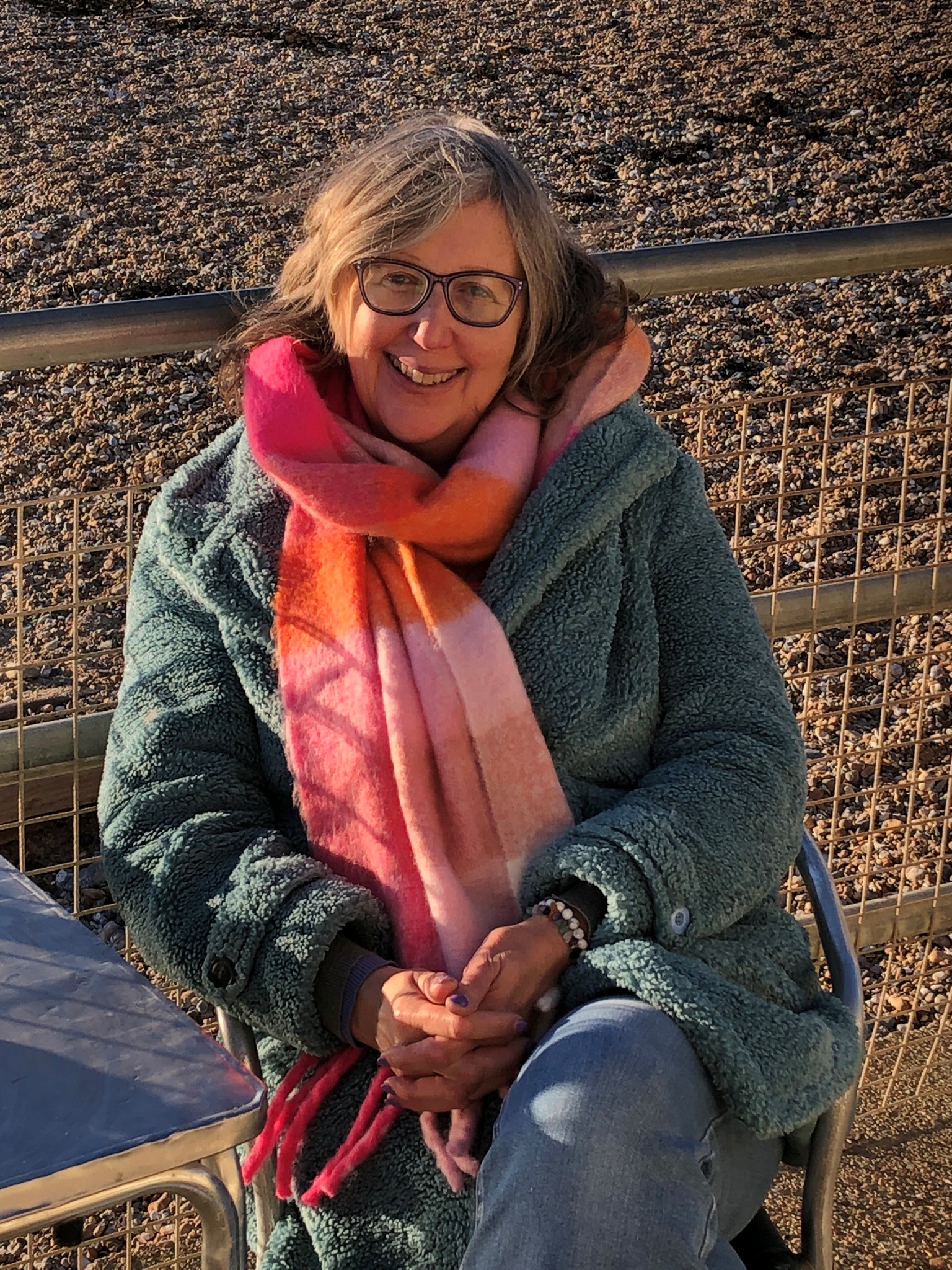
Alison Jones, 62, from Worthing, was diagnosed with metastatic breast cancer in 2022 and has been campaigning for Enhertu to be approved.
She said: “My latest scan has shown a spread in my pelvis and another area on my spine, so I will be changing treatment to a second line at some point this year.
“Obviously, there are only so many lines of treatment and this has made me more fearful of not getting Enhertu accepted. It’s a horrible headspace to be in.
“When I first heard it was rejected for use on the NHS in England, I was in disbelief. I just couldn’t understand the reasoning.
“Now that the NHS can pay more for drugs, it’s time for the pharmaceutical companies to meet again with Nice and agree a price, for the sake of me, my fellow breast cancer patients and all the women in the future who will need this drug.”
A statement from Daiichi Sankyo and AstraZeneca confirmed that talks are ongoing with Nice and NHS England “to identify a solution to support access to Enhertu for HER2-low metastatic breast cancer patients in England, Wales and Northern Ireland”.