It comes as part of an effort to restore the near-extinct native European flat oyster and create healthier seas.
Northern Ireland’s first floating oyster reef has been launched in north Antrim.
The initiative is the latest stage in work by the charity Ulster Wildlife to restore the near-extinct native European flat oyster and create healthier seas.
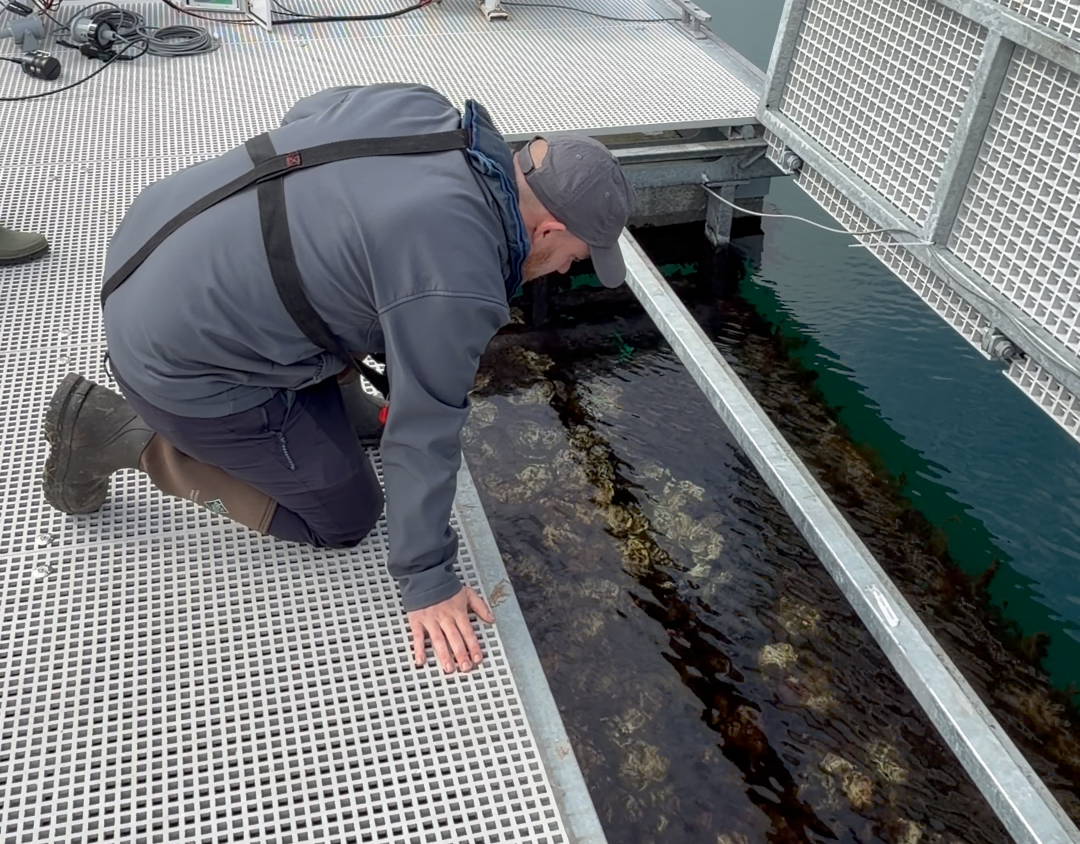
The custom-built floating reef at Glenarm Marina has been described as providing a sheltered habitat where European oysters can grow and thrive.
It currently supports around 10,000 juvenile European oysters, known as spat, settled on scallop shells, alongside approximately 200 adult oysters growing inside biodegradable bags.
While native oyster reefs were once a common feature of Northern Ireland’s coastline, they have declined dramatically because of overharvesting, habitat loss, disease and pollution.
Ulster Wildlife described European oysters as “natural ecosystem engineers”, playing a vital role in improving water quality, increasing biodiversity and creating habitat for a wide range of marine species.
The floating reef builds on the local nature conservation charity’s existing native oyster nursery at Glenarm Marina as well as wider work to restore native oysters in Northern Ireland.
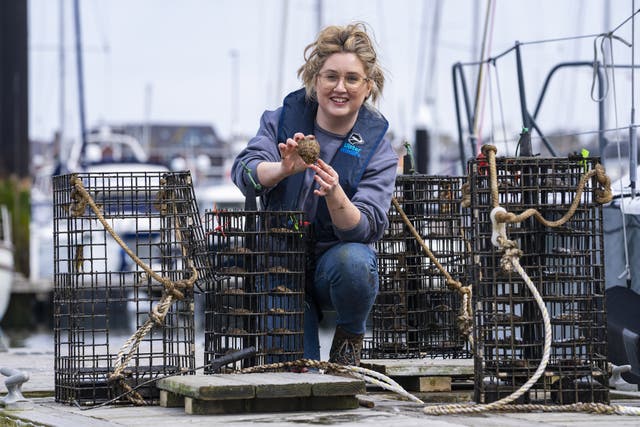
Earlier this year, the charity completed its first deployment of native oysters onto the seabed in Belfast Lough, marking an important milestone in the return of this once-abundant species.
The new floating reef at Glenarm Marina recreates the habitat of a natural oyster reef above the seabed and is hoped to provide a new way to scale up native European oyster restoration in Northern Ireland.
Ulster Wildlife said early results are encouraging, with oyster survival rates exceeding 80%.
An Eco-Detect camera system has been installed alongside the floating reef to record the mobile species visiting and interacting with the structure around the clock, providing valuable new insights into how oyster reef habitats support marine life.
During its first three months of operation, the system has recorded more than 7,000 wildlife detections, including fish such as gobies and seabirds including black guillemots.
The findings are helping Ulster Wildlife build a more complete picture of the biodiversity value of oyster reefs, complementing existing research from its nurseries on less mobile species such as sea slugs, worms and other invertebrates.
Dr Nick Baker Horne, marine conservation manager at Ulster Wildlife, who has led the initiative, described “an exciting new chapter” in the bid to restore the native European oyster to Northern Ireland’s seas.
“It allows us to showcase the incredible habitat created by native oysters while continuing to build our oyster restoration efforts and deepen our understanding of the wildlife these reefs can support,” he said.
“Thanks to Eco-Detect’s camera system, we can now see what species are interacting with this floating reef, day and night.
“Oyster reefs are true ecosystem engineers – they help improve water quality, support richer marine biodiversity and create healthier coastal ecosystems.
“Clearer waters and thriving marine life can benefit local fisheries, while living reefs also store carbon and help protect coastlines from storm surges.
“Restoring these vital habitats is essential if we want to build healthier, more resilient seas for the future.”
The project also has wider ambitions for marine habitat restoration with Ulster Wildlife planning to develop methods for collecting naturally washed-up seagrass on the floating reef before growing and replanting it to strengthen the local seagrass meadow in Glenarm and boost this vital and fragile underwater habitat.
The floating oyster reef has been developed by Ulster Wildlife in partnership with Mid and East Antrim Borough Council and is funded by the Department of Agriculture, Environment and Rural Affairs (Daera) via the carrier bag levy.
The project forms part of a wider programme to restore native oysters and other blue carbon habitats around Northern Ireland.