Flooding is possible in Scotland but another dry day is on the cards for other parts of the UK.
Thundery showers are set to batter parts of the country and a handful of flood alerts are in place in Scotland – while central and southern England are likely to miss out on most of the much-needed rain.
Temperatures will cool towards averages for the time of year on Wednesday, the Met Office said, after a spike at the start of the week, and there will also be a marked north-south split in conditions.
While rain is forecast for northern England, Northern Ireland, Wales and Scotland, there will be little to speak of in other parts of England.
Northern areas will see showery rain on Wednesday morning, some heavy and thundery, with brisk and gusty winds
Fewer showers further south, with some warm sunshine, and less humid⛅ pic.twitter.com/M7s7RIw0mO
— Met Office (@metoffice) August 4, 2026
A yellow thunderstorm warning is in place for eastern parts of Scotland from 10am to 9pm on Wednesday, with forecasters warning of a small chance of flooding, with potential for damage to buildings from floodwater, lightning strikes or strong winds.
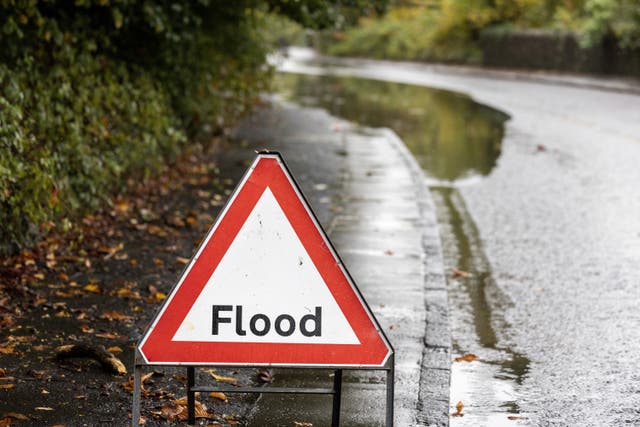
Several flood alerts have been issued by the Scottish Environment Protection Agency, meaning flooding is possible and residents and business owners should be prepared.
By Thursday, outbreaks of rain in the north will sink south, but they will turn more showery, forecasters said.
Some of it may reach rain-starved parts of eastern England, though little is expected for central and southern England.
July was the driest month ever recorded in southern England – and meteorologists have said there may not be significant rainfall in the area for some time.
“It’s looking pretty dry (for southern England),” said Met Office forecaster Marco Petagna.
“Later on Sunday we could just get a few showers coming down from the North West.
“But the rain’s weakening as it comes into the South East.”
Mr Petagna added: “Even for the second half of the month (August), it is suggested that rainfall totals are more likely to be below normal than above, with a potential for further spells of hot weather at times as well.
“So nothing significant on the horizon for the South East.”
The extreme weather of summer 2026 has included two record-breaking heatwaves in May and June that led to more than 2,800 excess deaths.
Two more heatwaves in July, the driest July in England and Wales since records began, have fuelled drought and wildfires.
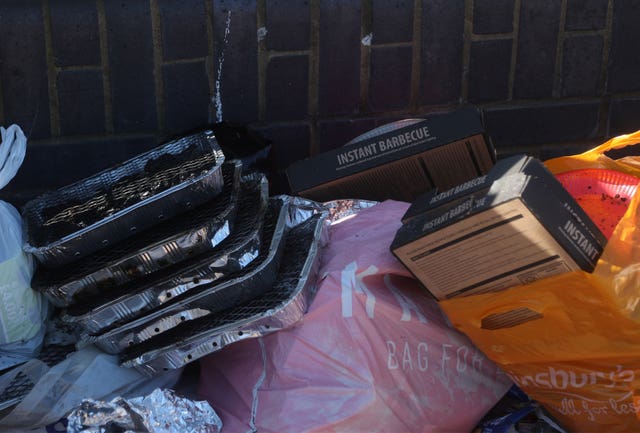
Major supermarkets have removed disposable barbecues from sale amid warnings of a heightened risk of wildfires.
Asda was the latest to start pulling single-use grills from its shelves on Tuesday as a spell of exceptionally dry and hot weather continues to grip parts of the UK.
Firefighters have tackled wildfires across the country, including in Dunwich, Suffolk, and the Cairngorms in recent weeks.